.avif)

Brightter’s Approach to SEO-Friendly Website Redesigns for Seattle Businesses
Key Takeaways
- A website redesign that ignores SEO can cause sharp drops in traffic, rankings, and revenue.
- Existing sites carry years of indexed URLs, ranking content, backlinks, and metadata that a redesign can break.
- Common risks include 404s from changed URLs, lost rankings from de-optimized content, lost link equity from missing redirects, and crawl issues.
- Brightter builds SEO in from day one rather than bolting it on, starting with a full benchmark audit of the current site.
- An SEO-first methodology of URL mapping, content migration, redirects, and performance preserves and often improves organic visibility post-launch.
1. Introduction
In Seattle's highly competitive digital landscape, businesses can't afford to lose search visibility during a website redesign. While a modern, engaging design is critical, failing to account for SEO during the redesign process can result in dramatic drops in traffic, search rankings, and ultimately revenue.
At Brightter, we take a strategic, technically sound, and SEO-first approach to redesigns—ensuring Seattle businesses not only maintain their organic visibility, but often improve it post-launch.
This blog breaks down Brightter’s end-to-end website redesign process, with a focus on technical SEO, content migration, and search engine integrity. If you're planning a redesign in 2025, this is your blueprint to doing it the right way.
2. Why SEO Matters in Every Website Redesign
Before diving into the “how,” let’s be clear on the “why.” Your existing website may have:
- Years of indexed URLs
- High-ranking content
- Backlinks from trusted sources
- Optimized metadata, heading tags, and keyword mapping
- Favorable crawl and indexing patterns with Google
Redesigning without preserving these elements can cause:
- 404 errors from lost or changed URLs
- Dropped rankings due to deleted or de-optimized content
- Loss of link equity if redirects aren’t configured
- Crawl issues from improper sitemap or robots.txt handling
This is not just a design risk—it’s an SEO and revenue risk.
3. Brightter’s SEO-First Redesign Methodology
We don’t bolt on SEO after the site is built. We build it in from day one. Here's how we ensure every redesign keeps your organic performance intact—and improves it.
a. SEO Benchmark Audit
Before we touch a pixel or line of code, we analyze your current site’s SEO foundation. This includes:
- Crawling the full site using tools like Screaming Frog to map all indexed URLs, meta data, and headers
- Evaluating your top-performing pages (traffic, backlinks, conversion)
- Identifying keyword rankings for branded and non-branded terms
- Auditing backlink sources to prioritize high-value pages
- Checking indexation status and crawl health in Google Search Console
This gives us a comprehensive view of what’s working—and what must be preserved or improved.
b. URL Mapping and Redirect Planning
One of the most damaging SEO mistakes during a redesign is changing URLs without proper redirects. Our process ensures this doesn’t happen:
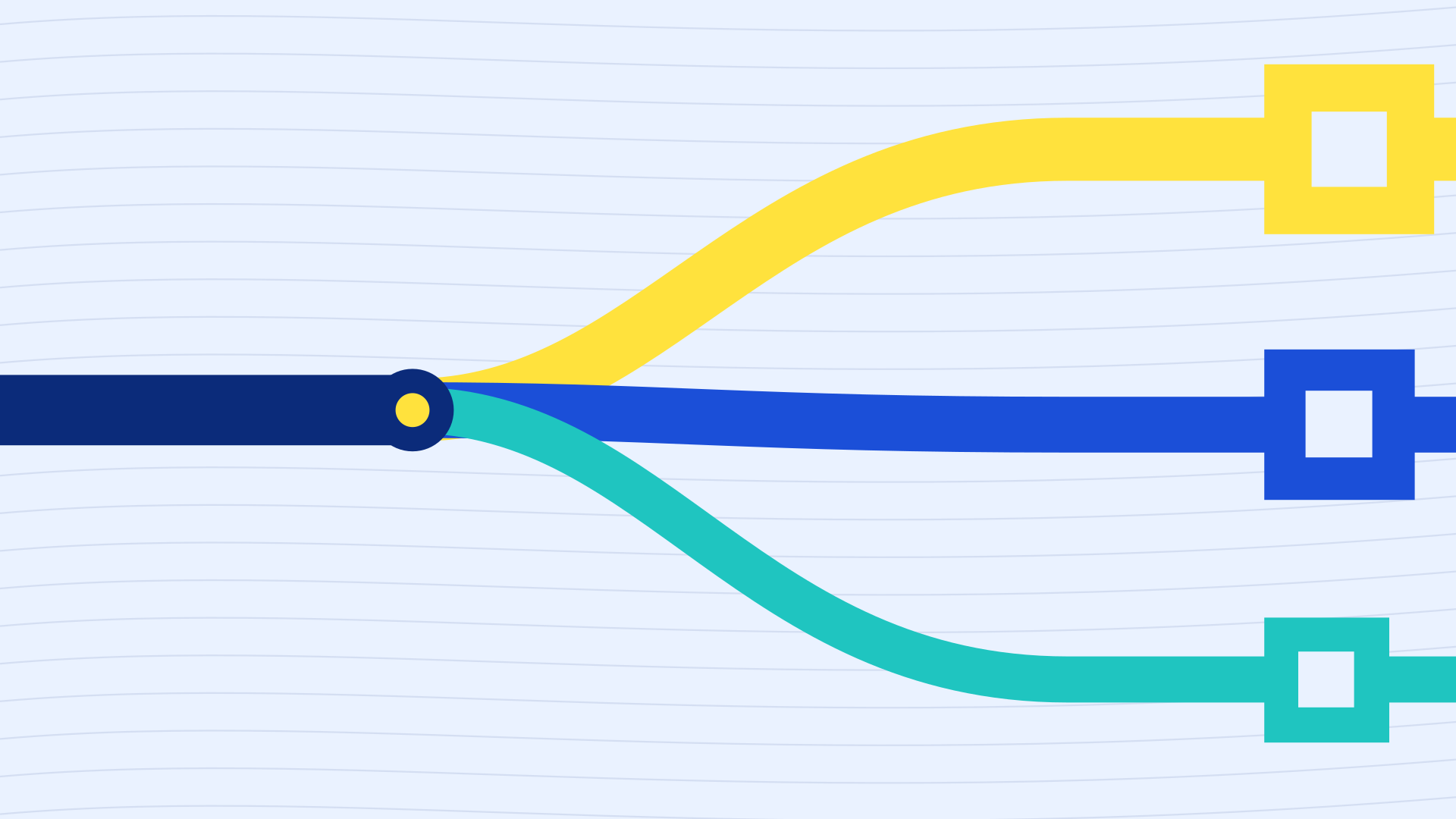
- We create a one-to-one redirect map between old URLs and their new counterparts
- Every change gets a 301 permanent redirect, preserving authority and ensuring seamless UX
- We maintain canonical tags to avoid duplicate content issues during migration
- We avoid soft 404s and remove or consolidate deadweight pages using a content pruning strategy
This helps maintain (and in some cases boost) your site’s domain authority and organic visibility.
c. Technical On-Page Optimization
As we rebuild your site’s visual identity, we also rebuild your technical SEO structure. This includes:
- Title tag and meta description optimization for every new or updated page
- Structured heading hierarchy (H1–H6) that reflects user intent and keyword strategy
- Image compression and ALT text optimization
- Schema markup (e.g., Local Business, Product, FAQ, Article) to enhance rich search results
- Internal linking for contextual relevance and crawlability
- Breadcrumbs, HTML sitemaps, and semantic HTML5 structure
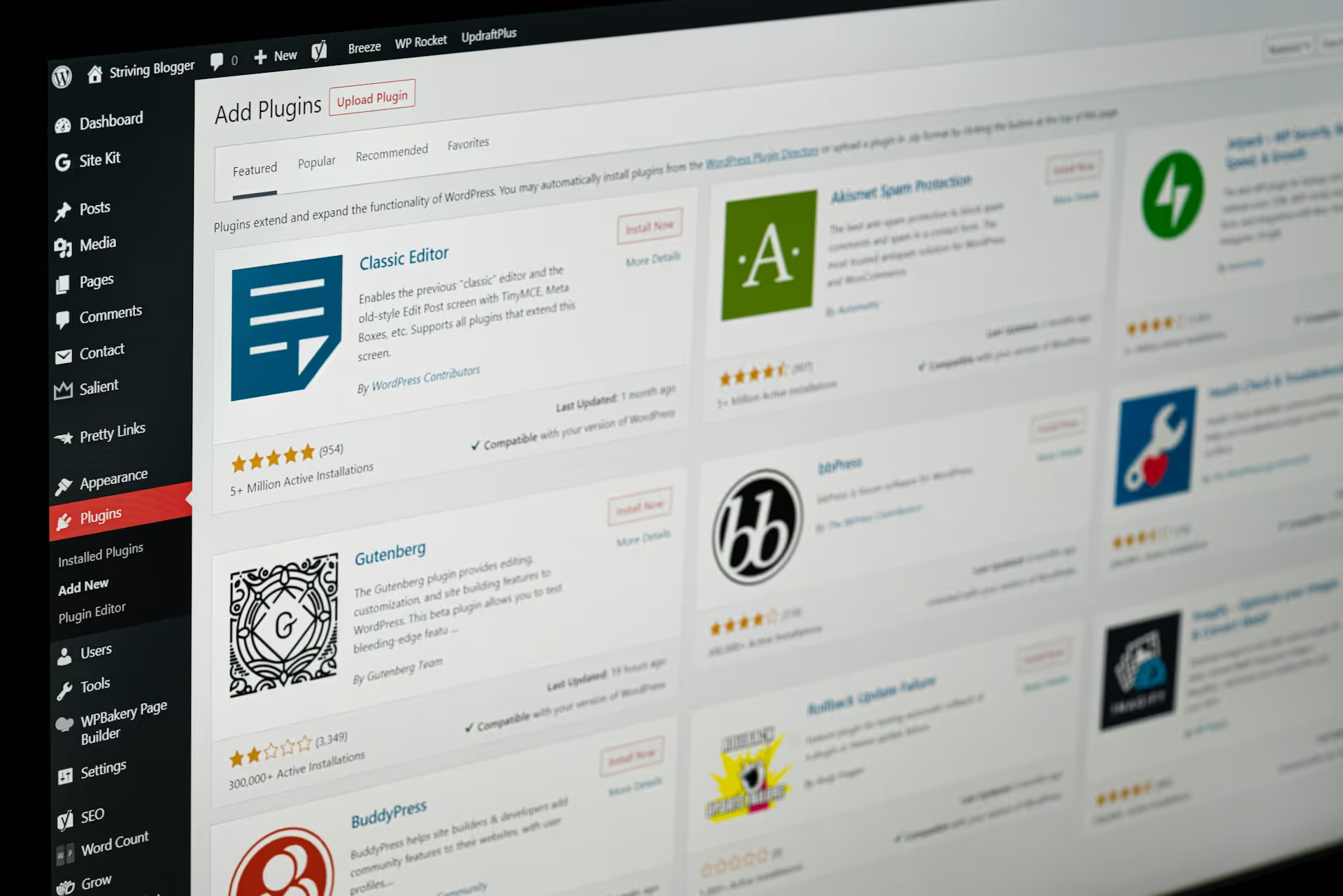
We also optimize your CMS (WordPress or Webflow) to allow for ongoing on-page control—so your team can make updates without losing SEO integrity.
d. Core Web Vitals and Performance Optimization
Speed and user experience are ranking factors. Our SEO-friendly redesign includes technical performance improvements such as:
- Asset minification (CSS, JavaScript)
- Critical CSS inlining for faster first paint
- Image lazy loading and responsive image sets
- Next-gen image formats (WebP, AVIF)
- Font loading optimization with preload strategies
- CDN integration and browser caching
We measure before-and-after performance using Google PageSpeed Insights and Lighthouse to ensure all Core Web Vitals (LCP, FID, CLS) meet or exceed Google’s benchmarks.
e. Mobile-First and Accessibility Compliance
In a mobile-heavy market like Seattle, mobile UX isn’t optional—it’s critical for both SEO and user retention.
- Mobile-first responsive design ensures the site adapts to all screen sizes
- Tap-friendly buttons, clean menus, and fast loading create a smooth experience
- We build toward WCAG 2.1 compliance, ensuring screen reader compatibility, keyboard navigation, and color contrast
- Accessible heading structures and form labels improve usability and SEO simultaneously
This approach supports both Google’s mobile indexing and inclusive design standards.
f. Structured Data and Enhanced Search Features
To give our clients an edge in the SERPs, we implement structured data across the site:
- Organization schema for brand trust
- Service schema for local visibility
- FAQ schema to win position-zero snippets
- Article schema for blog content
- Local Business schema to boost map pack results
This enables rich snippets, featured placements, and better indexing.
g. Post-Launch SEO Monitoring and Performance Tracking
Once the redesigned site is live, we don’t stop. We track performance over time to ensure rankings and traffic stay healthy.
- Submit updated sitemap.xml and request re-indexing in Google Search Console
- Monitor ranking fluctuations, crawl errors, and indexing coverage
- Run technical SEO audits at 7, 30, and 90 days
- Adjust and refine SEO elements as new user behavior data emerges
- Configure analytics dashboards for SEO-specific KPIs
If any issues arise—such as broken links, slow pages, or traffic dips—we fix them fast.
4. Why Seattle Businesses Trust Brightter for SEO-Driven Redesigns
We’ve helped law firms in Belltown, SaaS startups in South Lake Union, and healthcare providers across the Eastside modernize their websites—without sacrificing rankings.
Here’s what sets Brightter apart:
- We bridge strategy, design, development, and SEO—not treat them separately
- We don’t guess—we measure, test, and validate every SEO decision
- We keep you in the loop with clear reports and proactive insights
- We build scalable systems, so your SEO grows with your site
5. Final Thoughts: Redesign With SEO in Mind—Not After
For Seattle businesses, a website redesign is an exciting opportunity—but it’s also a high-stakes transition. The risk isn’t in refreshing your brand. The risk is in losing the authority and traffic you’ve already built.
At Brightter, we make sure your new website isn’t just beautiful—it’s technically sound, optimized to rank, and built to convert.
Let’s build something Brightter.