.avif)

How AI Agents Are Redefining Workflow Automation for Startups in 2025
Key Takeaways:
- AI agents are becoming core workflow engines for 2025 startups, offering automation, reasoning, and autonomous execution.
- They function as cognitive workers—far more advanced than traditional rule-based bots.
- Startups use AI agents to scale operations, reduce manual work, and accelerate go-to-market execution.
- Real use cases span sales, marketing, customer support, operations, and finance.
- Modern frameworks like LangChain, AutoGPT, and CrewAI power advanced multi-agent systems.
- With guidance from an experienced AI automation agency, startups can safely implement agents without breaking existing workflows.
- AI agents represent the future of “humans + AI” collaboration rather than replacement.
1. Introduction:
AI isn’t just changing how businesses think—it’s changing how they operate. In 2025, AI agents are no longer futuristic concepts but active participants in everyday workflows, especially for startups aiming to scale quickly with lean teams. These autonomous digital workers are designed to think, learn, and execute, offering startups a new path to productivity and efficiency.
As a modern ai automation agency working with fast-growing companies, Brightter is seeing firsthand how agents accelerate execution velocity and unlock a new era of intelligent, always-on workflows.
This blog explores how AI agents are transforming startup operations and redefining automation for the next generation of builders.
2. Chapter 1: What Are AI Agents?
2.1 Defining AI Agents
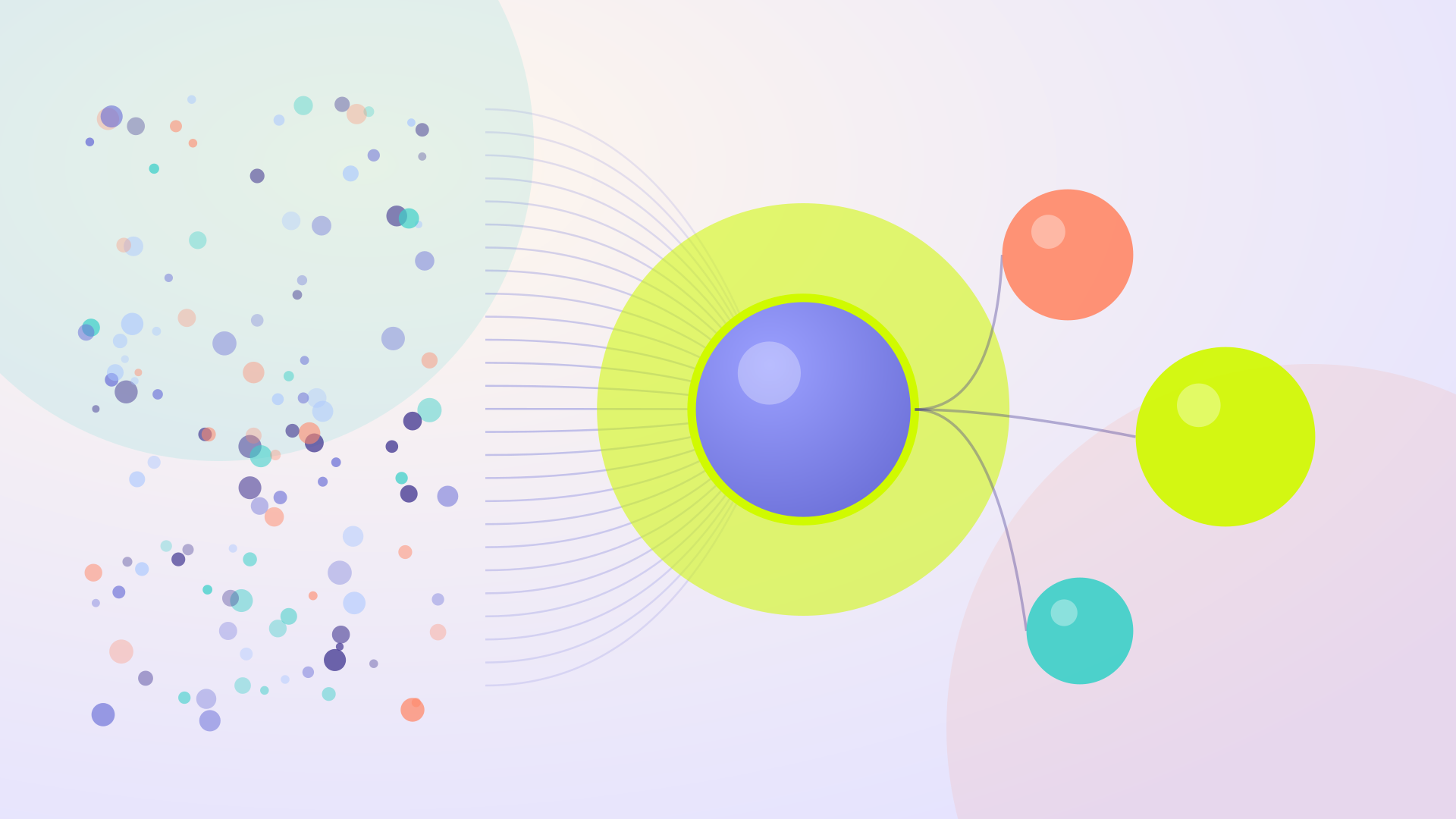
AI agents are autonomous software entities programmed to perform specific tasks based on goals, user inputs, environmental data, and prior knowledge. Unlike simple bots that follow rules, agents operate with a degree of independence and decision-making capability.
2.2 From Bots to Cognitive Workers
Traditional automations rely on structured inputs and clear conditions. In contrast, modern AI agents:
- Understand natural language commands
- Break down tasks into logical steps
- Interact with APIs, databases, and apps dynamically
- Learn from feedback loops and optimize their actions
2.3 Key Capabilities of AI Agents
- Reasoning: Chain-of-thought processing, goal planning
- Autonomy: Self-directed action without constant human oversight
- Multi-Modal Execution: Ability to interact with text, audio, code, and visual content
- Memory: Store context and adjust behavior over time
These capabilities make AI agents ideal digital collaborators in today’s fast-moving business environment.
3. Chapter 2: Why Startups Are Embracing AI Agents
3.1 Scalability Without the Overhead
AI agents allow early-stage teams to extend their capabilities without increasing headcount. Whether it’s automating lead qualification, responding to user tickets, or generating reports, agents fill crucial execution gaps.
3.2 Cost-Efficiency with Strategic Leverage
By offloading repetitive work, founders and teams free up time to focus on product, fundraising, or customer growth. This is where involving an AI specialist becomes highly valuable, ensuring automations are stable and scalable.
3.3 Competitive Edge Through Speed
Speed is a startup’s greatest advantage. AI agents allow teams to:
- Launch GTM campaigns faster
- Respond to customer feedback in real-time
- Iterate on operations and content loops with minimal friction
4. Chapter 3: Real Use Cases of AI Agents in Startups
4.1 Sales Enablement
- AI agents scrape websites, enrich leads, send personalized outreach, and book meetings
- SDRs use agents to summarize sales calls, log CRM entries, and recommend next actions
4.2 Marketing Workflow
- An agent repurposes blog posts into email copy, carousels, and tweet threads
- SEO agents cluster keywords, write outlines, and monitor SERP rankings
4.3 Customer Support
- AI agents monitor help desks, resolve Tier-1 tickets, escalate complex ones, and learn from every interaction
- Integrated with Slack or Zendesk, they deliver seamless internal support
4.4 Internal Ops
- Automate meeting notes, action items, and Slack summaries
- Use finance agents to categorize transactions, generate expense reports, and identify anomalies
5. Chapter 4: Tools Powering AI Agents in 2025
5.1 Agent Frameworks
- AutoGPT / AgentGPT: Autonomous planning and execution engines built on LLMs
- LangChain Agents: Chain logic with custom tools and memory
- CrewAI / SuperAGI: Team-based multi-agent coordination
5.2 No-Code Workflow Platforms
- Zapier AI / Make: Now LLM-enhanced for decision-based workflows
- Retool / UI Bakery: Automate backend ops with LLM prompts
- Notion AI + Automations: Organize, track, and generate content autonomously
5.3 Core Models & Infrastructure
- OpenAI, Claude, Gemini: Used for reasoning and generation
- Vector databases (e.g., Pinecone, Weaviate): For persistent memory
- APIs: Connect agents to CRMs, databases, calendars, and third-party tools
6. Chapter 5: How to Implement AI Agents Without Breaking Things
6.1 Start With Pain Points
Identify repetitive, manual tasks that slow your team down. Map out what can be delegated to AI.
6.2 Choose Low-Risk, High-Frequency Use Cases First
Start with areas like:
- Scheduling and reminders
- Reporting and analytics
- Content repurposing
6.3 Create Feedback Loops
Human-in-the-loop systems ensure agents can learn and improve. Monitor:
- Accuracy
- Time savings
- Escalation rates
6.4 Align With Team Processes
Don’t force adoption. Integrate agents into existing workflows and tools (Slack, Notion, HubSpot, Airtable).
7. Chapter 6: Risks, Ethics, and Scaling Smartly
7.1 Privacy and Compliance
Ensure agents comply with GDPR, CCPA, and data handling standards—especially when dealing with sensitive client or internal data.
7.2 Hallucinations and Errors
Even powerful LLMs make mistakes. Use retrieval-augmented generation (RAG), clear boundaries, and confidence scoring to reduce misfires.
7.3 Avoiding Over-Automation
Not everything should be automated. Keep empathy, relationship-building, and creative thinking human.
7.4 Educating Teams
Train teams to see agents as augmentation, not threats. Provide internal docs and regular demos.
8. Conclusion
AI agents are not just tools—they’re teammates. For startups navigating growth, lean execution, and constant change, autonomous agents offer scalable intelligence that adapts with the business. Those who start experimenting now will be the ones leading tomorrow.
The future isn’t humans vs. AI. It’s humans + AI—working in flow.
9. Brightter Can Help
At Brightter, we help startups and modern businesses harness the power of AI agents and automation. As a forward-thinking ai automation agency, we design custom GPT workflows and integrate autonomous tools into your existing stack.
Let’s unlock your team’s true potential.
👉 Get in touch
Frequently Asked Questions
1. How can AI agents help my startup scale faster?
AI agents automate repetitive tasks, improve operational efficiency, and enable teams to focus on high-impact work such as product development and customer growth.
2. Are AI agents difficult to integrate into my existing tools?
No. With modern frameworks, AI agents integrate seamlessly with tools like Slack, HubSpot, Notion, and your internal databases.
3. What’s the difference between an AI agent and a traditional automation workflow?
Traditional automations follow simple rules; AI agents reason, adapt, learn, and act autonomously—making them far more powerful.
4. Do I need an AI specialist to set up AI agents?
For advanced workflows or multi-agent systems, yes—an ai specialist helps design, test, and scale agents without breaking processes.
5. Can Brightter help us build custom AI agents?
Absolutely. Brightter provides custom automation setups, GPT-powered flows, and full AI agent deployment for growing startup teams.