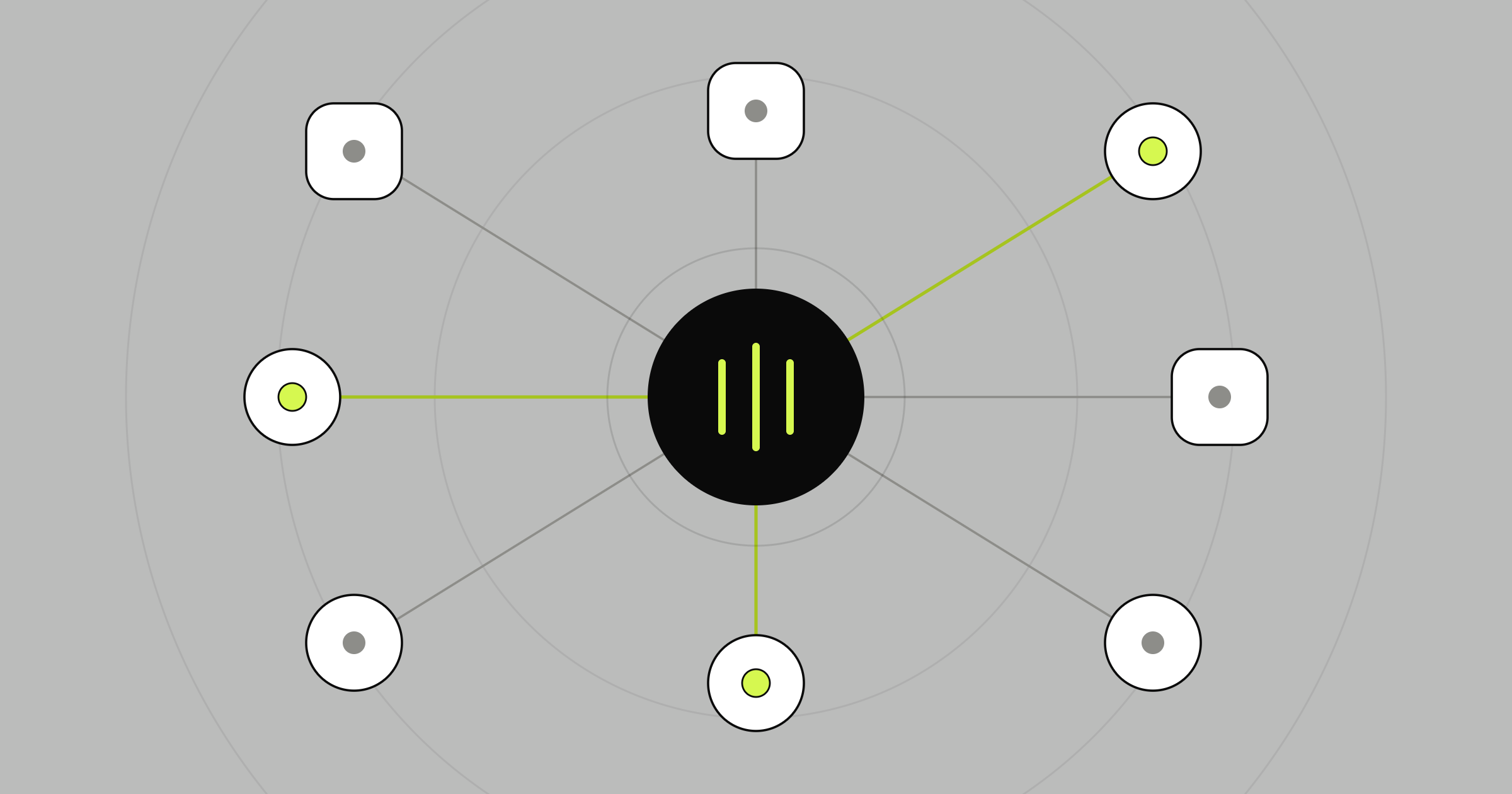
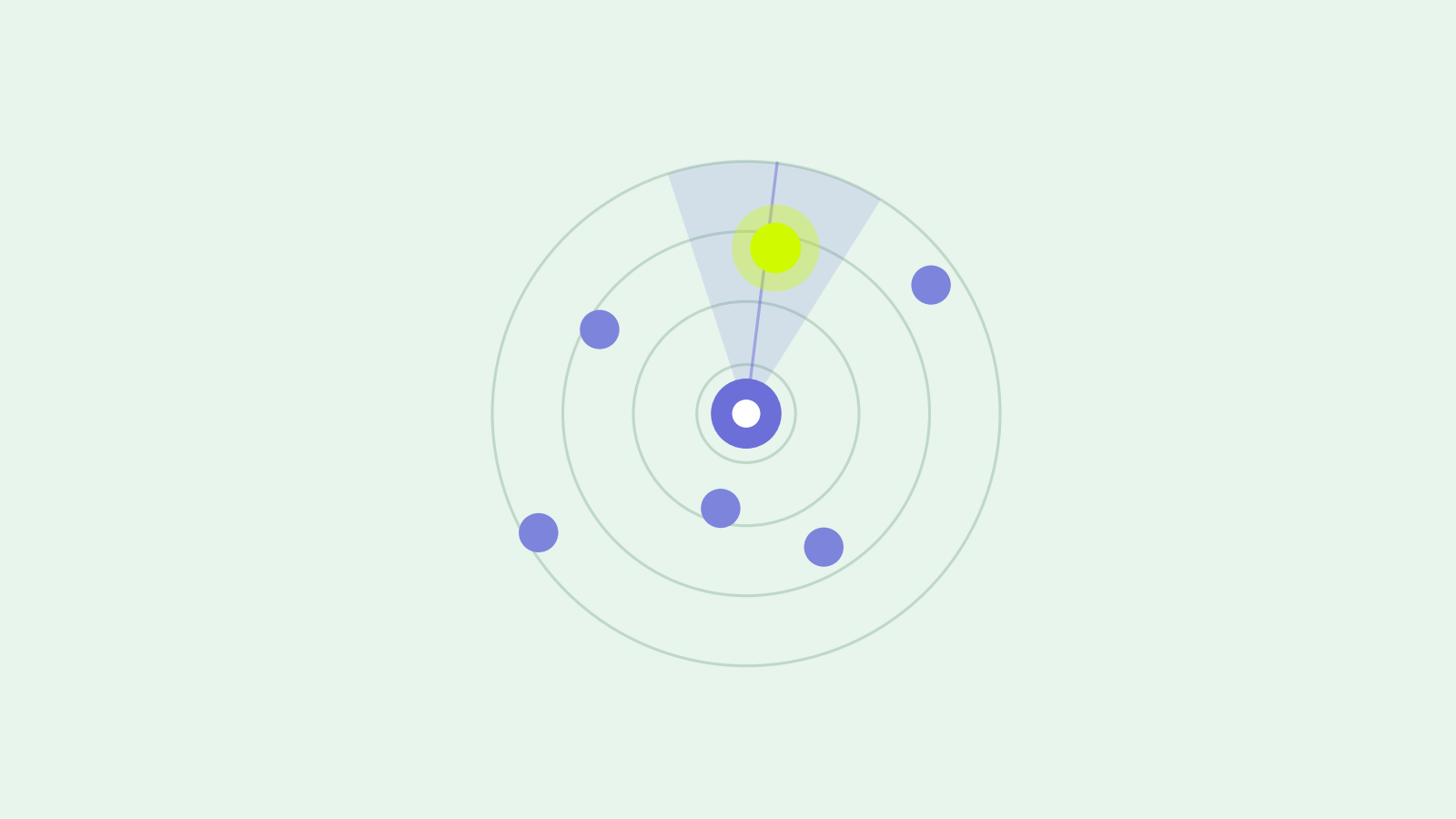
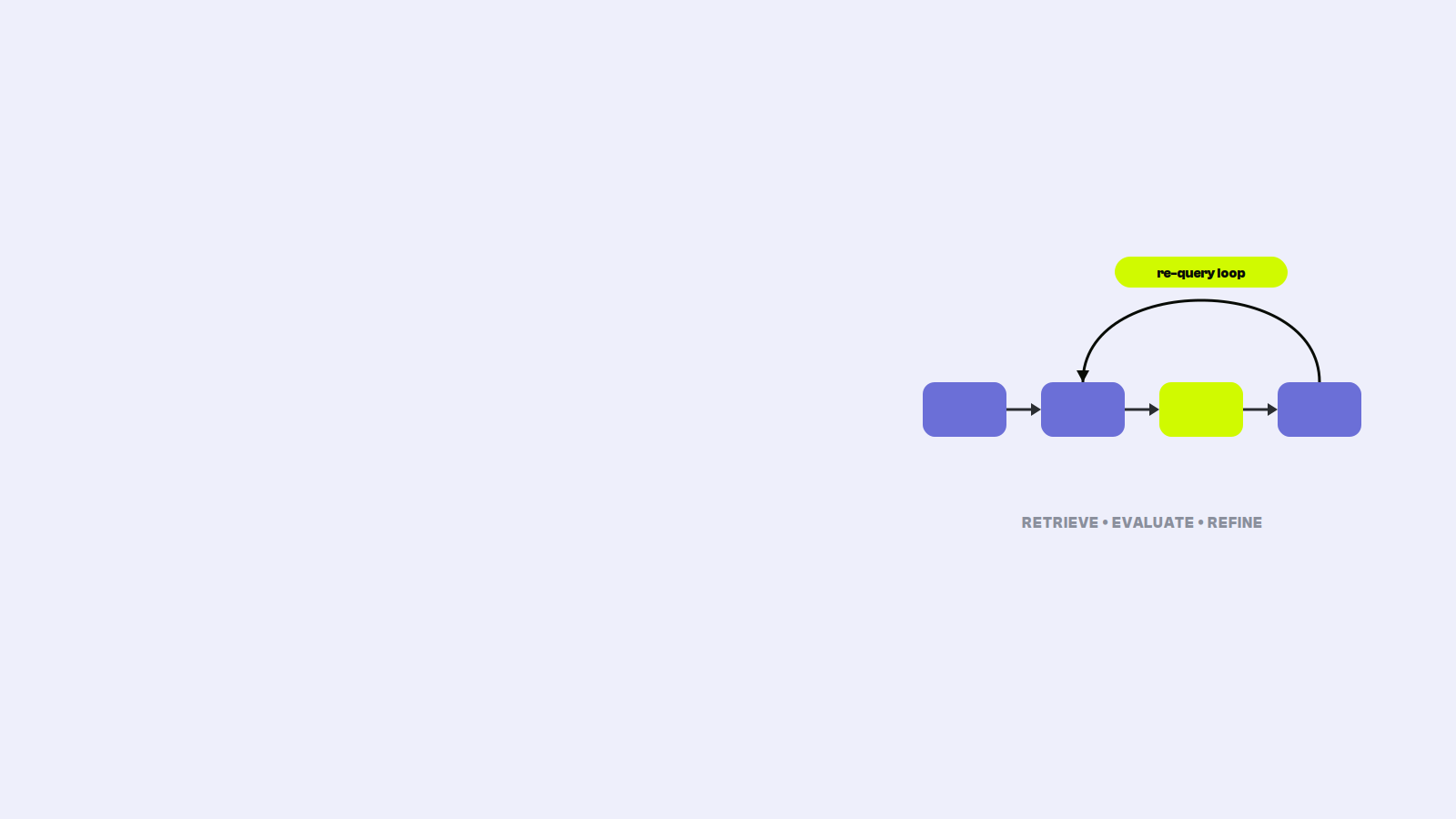
.avif)

Why Generative Engine Optimization Will Replace Traditional SEO in 2026
Key Takeaways:
- Search is shifting from links to answers. AI engines like ChatGPT and Perplexity now generate responses directly, making GEO the primary way brands get discovered instead of ranking pages.
- Being cited by AI matters more than being ranked by Google. Brands that train AI systems through structured, authoritative content will win visibility across generative platforms.
- Traditional SEO cannot control AI visibility. Keywords and backlinks alone do not influence how large language models surface brands in responses.
- GEO is built on context, credibility, and data structure. Schema, content depth, semantic relevance, and entity modeling now drive discoverability.
- Companies that adopt GEO early will dominate their category. Those who delay will become invisible as buyers move to AI-powered research.
Introduction: Search Has Already Changed. Most Brands Just Haven’t Noticed.
For more than two decades, search engine optimization (SEO) has been the backbone of digital growth. Brands competed for rankings. Agencies optimized pages. Marketers obsessed over keywords, backlinks, and metadata. Traffic flowed from Google, and businesses converted visitors into customers.
But in 2026, that model is quietly being replaced.
Today, people are no longer searching the web the way they used to.
They are asking.
They are asking ChatGPT.
They are asking Perplexity.
They are asking Claude.
They are asking Gemini.
They are asking embedded AI assistants inside browsers, operating systems, CRM tools, Slack, and productivity platforms.
And these AI systems do not show ten blue links.
They generate answers.
They recommend brands.
They summarize options.
They choose what to include.
They decide what to leave out.
This is not a future trend. It is already happening.
Which means SEO is no longer enough.
The next era is Generative Engine Optimization (GEO) — optimizing how your brand, products, and expertise are understood, interpreted, and surfaced by AI systems.
And GEO will replace traditional SEO because the underlying mechanics of discovery have fundamentally changed.
1. The End of Click-Based Discovery
Traditional SEO is built around one assumption:
Users click links.
Search engines rank pages.
Users scan results.
They choose where to go.
That entire interaction layer disappears when AI is involved.
When someone asks ChatGPT:
“What is the best payroll compliance platform for mid-size companies?”
They do not receive links.
They receive a synthesized answer.
That answer may mention three brands.
It may mention one.
It may mention none.
And whatever brands appear inside that answer effectively become the market.
This is what makes GEO existential for modern companies.
If your brand is not inside the model’s knowledge graph, embeddings, citations, or trained corpus, it may never be surfaced to the buyer at all.
You are not “ranking lower.”
You are invisible.
2. How AI Actually Finds and Recommends Brands
To understand why GEO replaces SEO, you must understand how generative systems work.
Search engines crawl and index pages.
AI systems do something very different.
They build semantic maps of the web.
These maps are composed of:
• Entities (companies, products, people)
• Relationships
• Contextual meaning
• Expertise
• Topical authority
• Trust signals
• Structured data
• Citations
• Patterns in how brands are discussed
These are encoded into embeddings inside large language models.
When someone asks a question, the AI does not retrieve a web page.
It retrieves concepts.
Then it assembles a response based on:
• What entities are most relevant
• What entities are most authoritative
• What entities best match the user’s intent
• What entities have the strongest semantic confidence
This is not SEO.
This is knowledge engineering.
GEO is the discipline of shaping how your company exists inside that knowledge graph.
3. SEO Optimizes Pages
GEO Optimizes Reality
SEO asks:
“How do we get this page to rank?”
GEO asks:
“How does the AI understand this company?”
That difference changes everything.
In a generative world, the system is not ranking URLs.
It is ranking meaning.
That means:
• Your About page matters
• Your product pages matter
• Your blog matters
• Your schema matters
• Your media mentions matter
• Your citations matter
• Your Wikipedia-like footprint matters
• Your structured data matters
• Your topical authority matters
All of it feeds into a single thing:
How confidently the AI can describe who you are and why you matter.
4. Why Traditional SEO Fails in Generative Search
Traditional SEO is brittle.
It relies on:
• Keywords
• Backlinks
• Page structure
• Technical crawlability
AI does not care about most of that.
AI cares about:
• Who you are
• What you do
• Who you serve
• Whether you are credible
• Whether you are widely referenced
• Whether your content is consistent
• Whether your data is structured
• Whether your brand has authority
If two companies have identical SEO, the AI will still choose one to mention and ignore the other.
Why?
Because one has a stronger semantic footprint.
That is GEO.
5. GEO Is the New Competitive Moat
In 2026, customers will not discover companies by browsing websites.
They will discover companies by asking AI:
“Who should I use?”
“What’s the best platform?”
“What company is trusted for this?”
The companies that appear in those answers will dominate their markets.
The ones that do not will slowly disappear from buyer consideration.
This creates a new kind of moat:
Model presence.
If your competitors invest in GEO and you do not, you are not losing traffic.
You are losing existence.
6. What Generative Engine Optimization Actually Includes
GEO is not a tool.
It is a system.
It includes:
Structured Data Engineering
Using schema, entity tagging, and semantic markup so AI can understand your business, products, and services with precision.
Authority Modeling
Building topic clusters, knowledge hubs, and expert content so models know you are a leader in your category.
Citation Architecture
Ensuring your brand is referenced, quoted, and cited across trusted sources that AI models ingest.
Conversational Optimization
Writing content that mirrors how humans ask questions and how AI generates answers.
Entity Mapping
Defining your company as a first-class object in the AI’s mental model of the world.
This is not SEO.
This is training the market’s new brain.
7. The Rise of AI-Native Buyer Journeys
In 2026, the typical buyer journey looks like this:
- User asks AI for recommendations
- AI provides options
- User compares within AI
- User clicks only if necessary
- User makes a decision
Your website becomes a confirmation layer, not a discovery layer.
Which means:
If you are not in step 2, your website will never be visited.
8. Why GEO Is More Powerful Than Paid Ads
You can pay Google for clicks.
You cannot pay ChatGPT to recommend you.
You earn that position by:
• Being understood
• Being credible
• Being relevant
• Being consistent
• Being authoritative
GEO compounds over time.
Once you become the default answer, you become the default choice.
9. GEO Turns Content Into Capital
Traditional content marketing tries to drive traffic.
GEO turns content into knowledge assets.
Every article, guide, case study, FAQ, and resource becomes training data for the models that decide what brands matter.
This means your content strategy now shapes how the future market perceives you.
10. Why Brightter Built GEO as a Core Service
At Brightter, we saw this shift before it became obvious.
We realized:
Websites are no longer just for humans.
They are for machines that influence humans.
So we built systems that:
• Structure data for AI
• Optimize for semantic understanding
• Create authoritative content
• Train models to recognize brands
• Connect SEO, GEO, UX, and AI
This is how companies will grow in 2026 and beyond.
Conclusion: SEO Is Not Dead
It Has Been Absorbed
SEO does not disappear.
It becomes one input into a much larger system called Generative Engine Optimization.
In the same way social media did not kill websites but changed how they are used, AI is not killing SEO.
It is redefining it.
The companies that understand this will dominate.
The ones that don’t will be asking why no one can find them.