.avif)
From Brand to Build: Brightter Delivers Seamless Design and Code in Chicago
Key Takeaways
- Most digital products fragment as brand hands off to design and design hands off to development, diluting strategy along the way.
- Brightter uses a full-stack studio model that delivers brand identity, design systems, and high-performance code as one integrated process.
- Brand identity is treated as the product's DNA, built through discovery, positioning, visual systems, and clear documentation.
- UI and UX design covers strategy, information architecture, interaction logic, accessibility, and prototyping with usability testing.
- Development delivers scalable code with built-in SEO, schema, and analytics, taking Chicago companies from brand to build without compromise.
1. Introduction: Strategy Is the New Aesthetic
In a time when brands are built in browsers and validated in milliseconds, the pressure to deliver a clear, memorable, and technically flawless digital experience has never been greater. But the path from an idea to a functional product is often fragmented. Brand teams hand off to design teams. Designers pass incomplete specs to developers. Strategy gets diluted in the shuffle.
Brightter exists to change that.
We believe that great digital products aren’t created in silos — they’re orchestrated. Every element — from brand positioning to button hover states — must be interconnected. That’s why we offer a true full-stack studio model, delivering brand identity, design systems, and high-performance code in one integrated experience.
This is how we take Chicago-based companies and startups from brand to build — without compromise.
2. Brand Identity: Your Product's DNA
Your brand is not your logo. It’s not your tagline. It’s not your color palette.
Your brand is the feeling people get when they encounter your company — and more importantly, how clearly that feeling is expressed across every digital and physical touchpoint.
At Brightter, we approach branding like product design: strategically, systematically, and emotionally.
a. Deep Discovery
Every engagement begins with discovery — not to collect fluff, but to extract clarity. We dig into:
- Your business model and revenue streams
- Competitive landscape and whitespace opportunities
- Target users and psychological drivers
- Market-specific insights (especially relevant in Chicago’s diverse startup ecosystem)
We don’t ask what colors you like. We ask, “What should people believe about you after the first 8 seconds on your site?”
b. Positioning and Messaging Architecture
Before a pixel is placed, we define:
- Brand purpose and long-term vision
- Differentiators and proof points
- Messaging hierarchy and tone of voice
- Emotional territory and archetypes
This becomes the blueprint for both visual and written communication. It guides design, fuels content strategy, and helps development teams build smarter user flows that align with user expectations.
c. Visual Identity Systems
Your identity system is where perception meets precision. Our deliverables include:
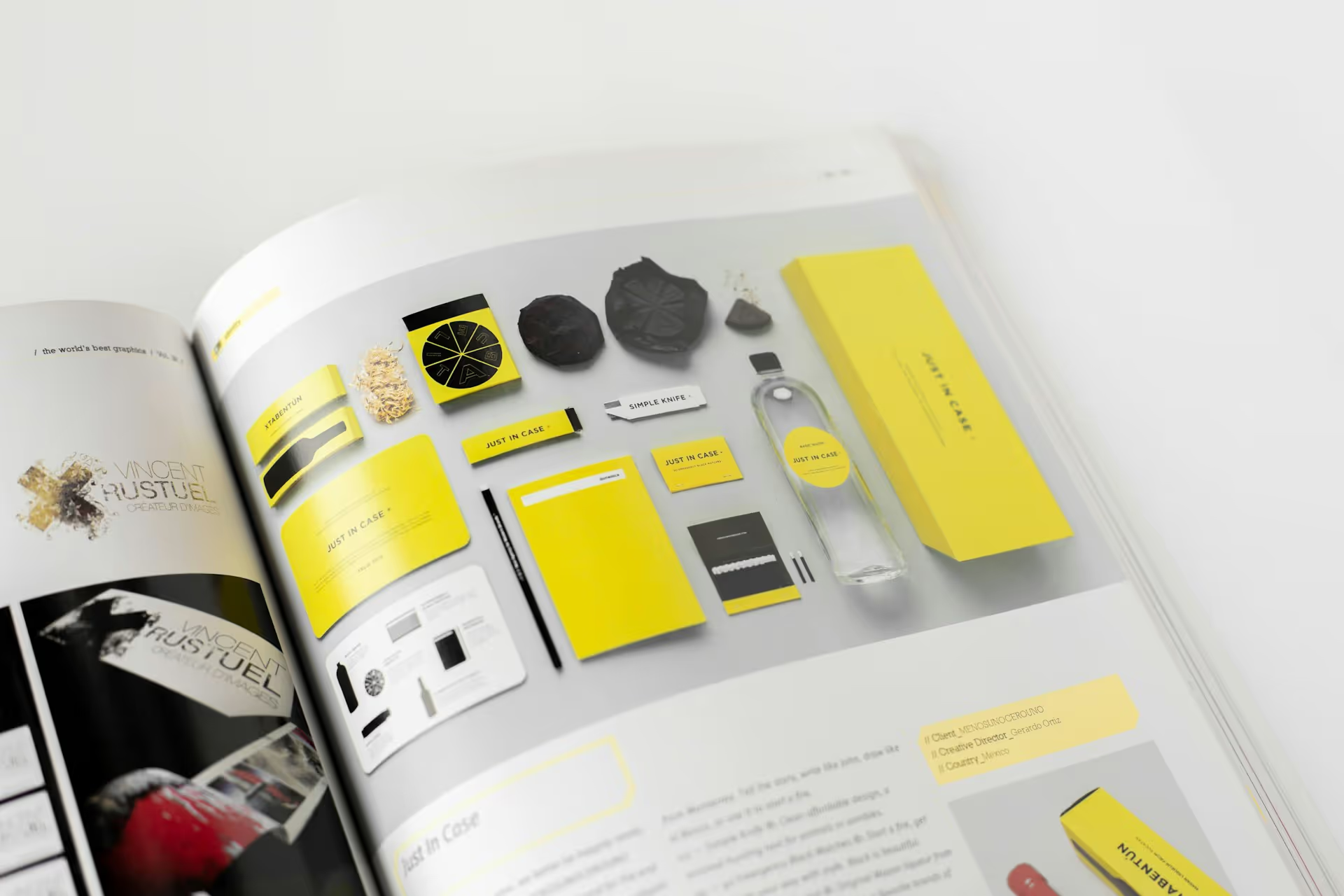
- Primary and secondary logo sets (horizontal, stacked, icon)
- Scalable color palettes based on accessibility standards
- Custom type hierarchy and spacing logic
- Iconography, photography direction, and illustration systems
Every decision is based on scalability, accessibility, and application — not just aesthetics.
d. Brand Documentation
We don’t just design your brand. We operationalize it.
That includes style guides, usage rules, templates, and brand governance tools so your team (or future hires) can carry the torch without reinventing the wheel.
3. UI/UX Design: Interfaces That Move People
Once the strategic and visual DNA is locked in, we evolve your brand into usable, conversion-optimized digital experiences — whether that’s a marketing website, product MVP, or full SaaS platform.
a. UX Strategy and Information Architecture
We start with function over form. Our UX planning includes:
- Audience segmentation and user personas
- Funnel mapping for high-value journeys (acquisition, onboarding, activation)
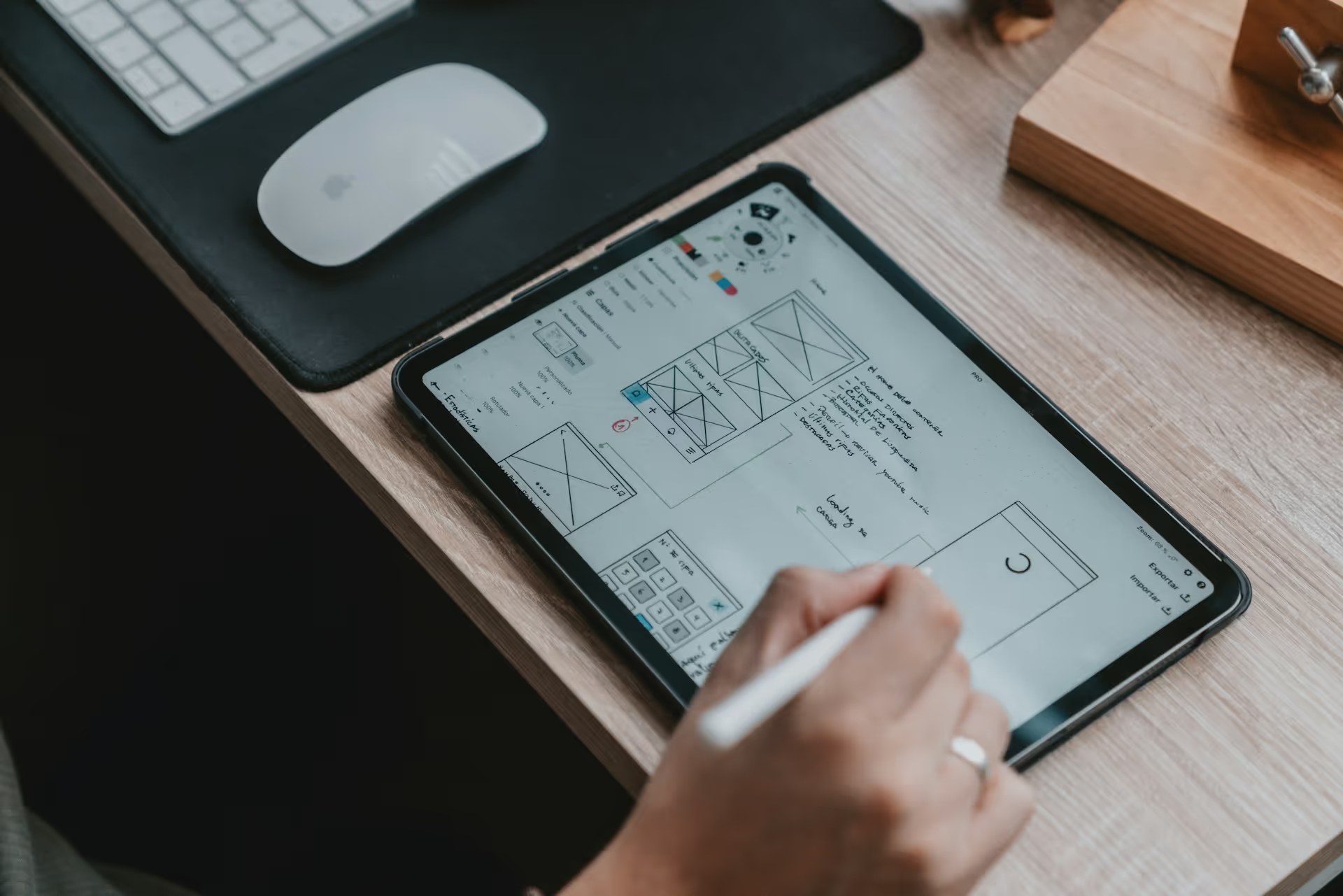
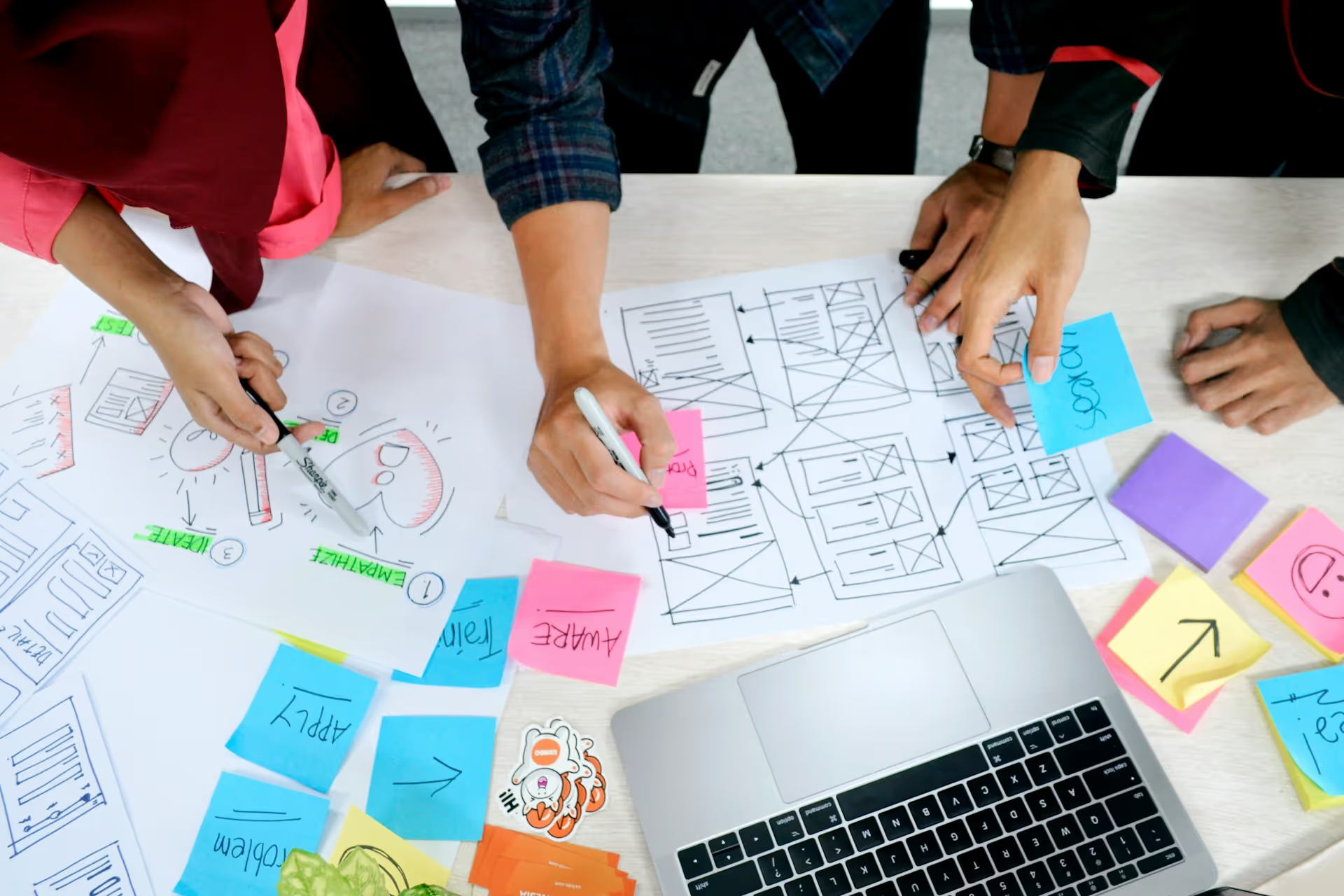
- Wireframes and content outlines for key pages and flows
- Task-based layouts with usability as the guiding metric
We also factor in real-world constraints like time to market, content availability, and stakeholder workflows.
b. Interaction Design and Component Logic
We don’t design screens — we design systems. That means:
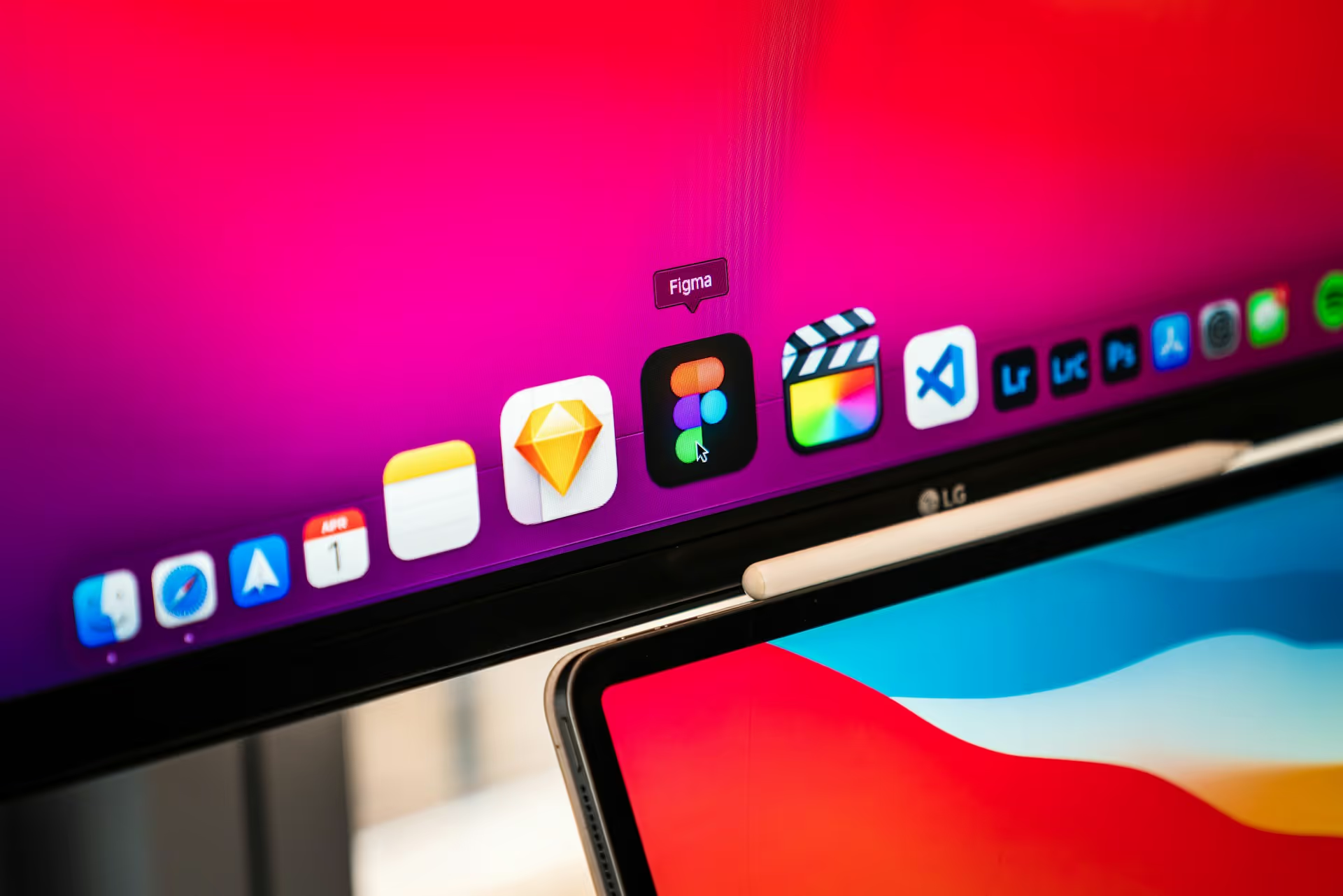
- Reusable, responsive components built in Figma libraries
- Modular blocks for CMS-powered platforms
- Clear documentation for every interaction (states, transitions, variants)
Our interaction design process ensures that every click, tap, and scroll feels natural, on-brand, and responsive to user intent.
c. Accessibility and Inclusivity
Great design is inclusive by default. We embed WCAG 2.1 AA compliance into every phase of the process:
- Color contrast ratios tested with real users
- ARIA labeling and screen-reader support
- Responsive scaling for all breakpoints and input types
Accessibility isn’t just a compliance checkbox — it’s a business advantage.
d. Prototyping and Usability Testing
Before code begins, we put the interface in users’ hands:
- Interactive prototypes simulating real flows
- Moderated testing for feedback on comprehension and usability
- A/B testing of visual approaches when needed
Design doesn’t leave our desk until it’s been validated by the people it’s meant for.
4. Web Development: Scalable Code, Seamless Handoff, Zero Compromises
Most design agencies stop at Figma. At Brightter, we go further. Our in-house development team is involved from the beginning — advising on feasibility, performance, and scalability as part of the design conversation.
a. Technology Stack
We build across platforms, choosing the stack that best matches your business needs, timeline, and internal team capabilities.
For Marketing Sites:
- Webflow (no-code/low-code for rapid deployment)
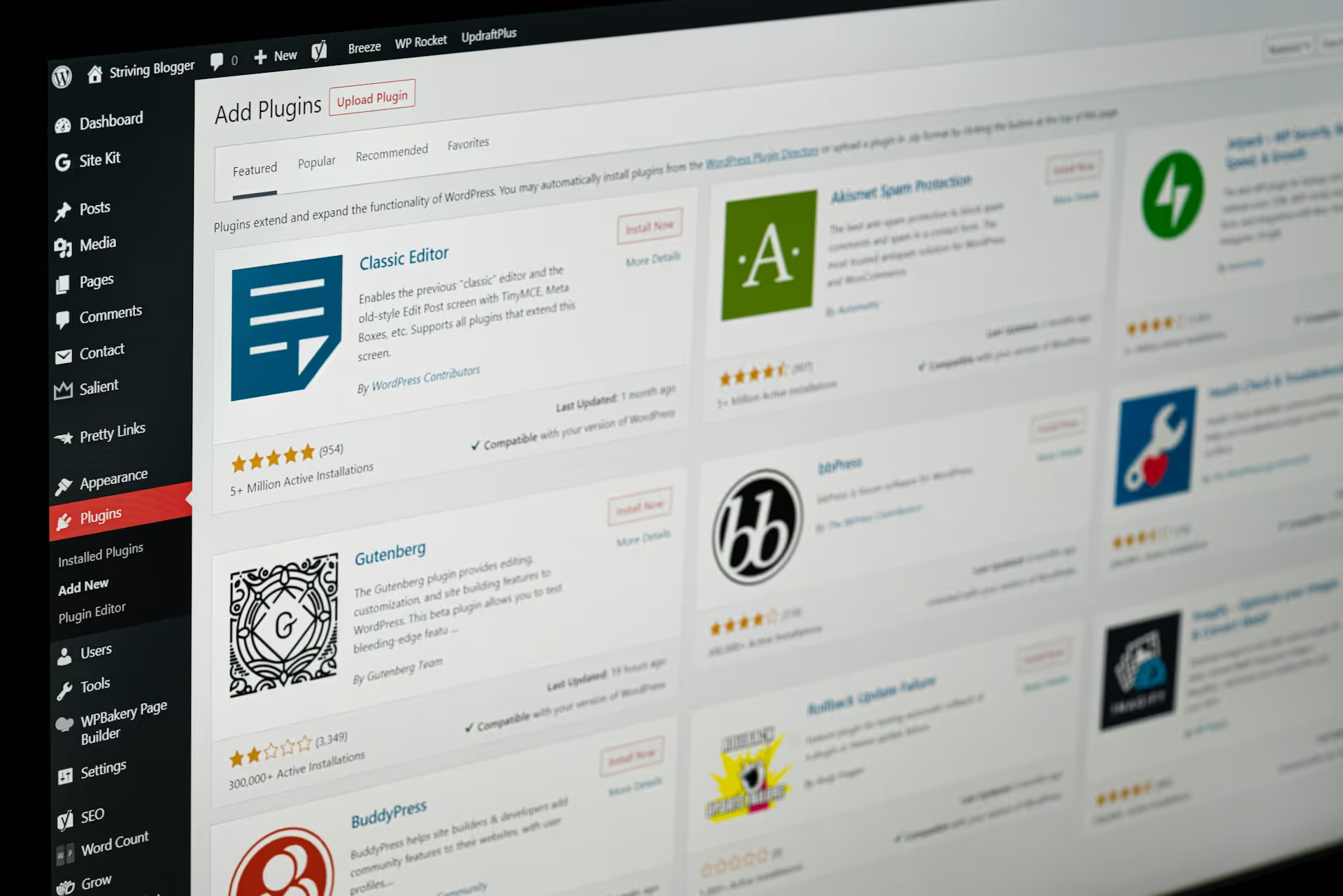
- WordPress with Gutenberg or custom theme builds
- Headless CMS (Strapi, Sanity, Contentful) for complex editorial teams
For Product Builds & Web Applications:
- React (with Next.js) for app-like UX and performance
- Vue.js for lightweight interactivity
- Node.js, Laravel, or Firebase for backend architecture
- PostgreSQL or MongoDB depending on data structure
Every build is modular, maintainable, and lightning-fast.
b. SEO, Schema, and Analytics
Development includes the invisible infrastructure:
- Semantic HTML for accessibility and SEO readiness
- Structured data for rich results in Google
- Performance optimization (Core Web Vitals, image formats, lazy loading)
- Analytics integrations (GA4, Hotjar, HubSpot, or custom dashboards)
We don’t just build sites that look good — we build platforms that perform.
c. QA, Deployment, and Support
Every project includes:
- Browser and device testing
- Staging-to-production deployment pipelines
- GitHub version control and clean documentation
- Post-launch monitoring and optional support retainers
When your site or product goes live, it doesn’t just “launch.” It enters the world ready to grow.
5. Why a Unified Studio Model Matters More Than Ever
The traditional way of building digital products is broken. Founders work with branding freelancers. Then hand things off to a design agency. Then scramble to find developers who understand what was even intended.
This creates gaps in communication, vision, accountability — and ultimately, results.
Brightter’s studio model solves that by offering:
- A single team from kickoff to post-launch
- Shared understanding between brand, UX, and dev
- Faster timelines through parallel workflows
- No broken handoffs, duplicated effort, or tech misalignment
For startups, this means speed and clarity.
For growth-stage teams, it means higher-quality execution and scalability.
For everyone, it means consistency you can trust.
6. Conclusion: From Idea to Execution, All Under One Roof
Brightter isn’t just a digital agency. We’re a strategic build partner — helping you define your brand, express it beautifully, and launch it through high-performance design and code.
From naming and brand architecture to the last line of CSS, we’re here to bring your vision to life with precision, heart, and craftsmanship.
Because in a world full of half-built brands and pretty-but-broken sites, clarity is your competitive advantage.
Let’s build something bold — and do it right the first time.