.avif)

How to Build a Scalable Content Strategy That Drives Organic Growth All Year
Key Takeaways:
- Learn how to build a content strategy that scales without burning out your team or budget.
- Understand the foundations of repeatable, efficient content systems that drive year-round organic growth.
- See how strategy, research, SEO architecture, and workflows combine into a scalable content engine.
- Explore how teams can repurpose content, automate workflows, and streamline approvals.
- Discover how to measure performance and iterate using data-driven insights.
- Get solutions to common content challenges like inconsistent publishing and weak distribution.
- Learn how Brightter helps companies build sustainable content frameworks that grow with their business.
1. Introduction:
In a world where algorithms shift overnight and attention spans shrink by the second, businesses face a major challenge: creating content that consistently drives organic growth. A scalable content strategy isn’t just about producing more content. It’s about building a sustainable engine that fuels discovery, trust, and conversions—month after month.
This guide explores how startups, SMBs, and even enterprises can design a content strategy that doesn’t burn out their team, break the budget, or get buried by Google updates.
2. Chapter 1: The Foundations of a Scalable Content Strategy
a. What Is a Scalable Content Strategy?
A scalable content strategy is a repeatable, efficient framework for producing and managing content that increases visibility, engagement, and ROI over time without requiring exponential increases in resources.
b. Why Scalability Matters
- Efficiency: It reduces duplication and leverages existing assets.
- Consistency: It ensures regular publishing and omnichannel presence.
- Growth: It builds long-term organic traffic and authority.
c. Key Components
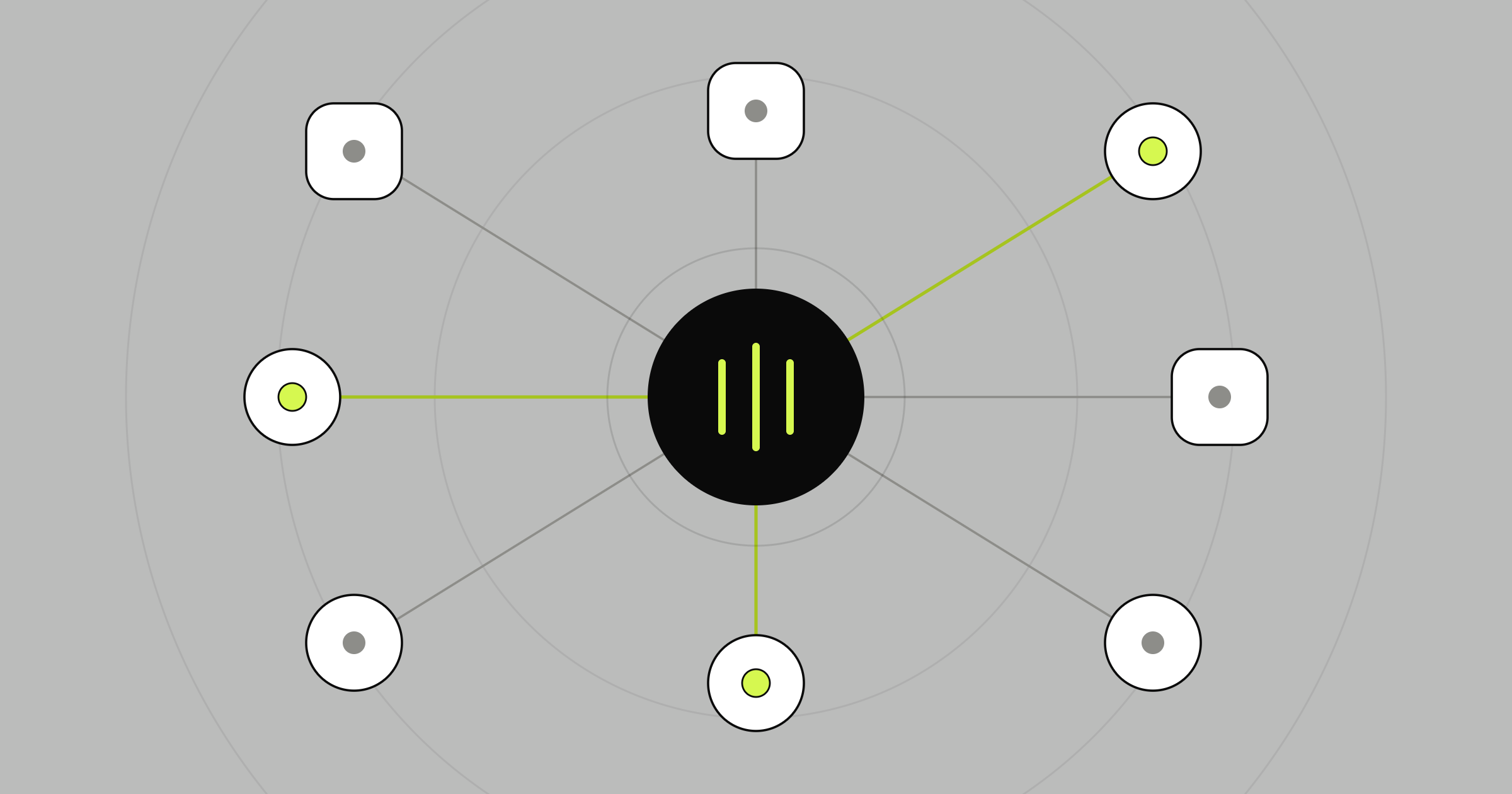
- Content Pillars and Topic Clusters
- SEO-Driven Content Mapping
- Repurposing and Distribution Frameworks
- Workflow Automation
- Measurement and Iteration
3. Chapter 2: Research & Strategy Development
a. Define Business Goals
Tie content efforts to real business KPIs: lead gen, brand awareness, sign-ups, or conversions.
b. Know Your Audience
Use first-party data, analytics, and customer feedback to define personas and customer journeys.
c. Competitor & Gap Analysis
- Run a content audit of top competitors.
- Use tools like Ahrefs, SEMrush, or Clearscope to identify keyword gaps.
d. Topic Ideation Framework
- Pillar/Cluster Model: Choose 3-5 core pillars (e.g., AI transformation, brand identity, Webflow SEO).
- Brainstorm subtopics using "People Also Ask," Reddit, Quora, and forums.
4. Chapter 3: SEO-Driven Content Architecture
a. Keyword Research with Intent
- Classify keywords by intent: informational, navigational, transactional.
- Use tools to identify long-tail, low-competition keywords.
b. Topic Clusters
Create comprehensive pillar pages supported by interlinked cluster content.
c. Content Calendar Planning
- Use quarterly roadmaps.
- Include seasonal and evergreen opportunities.
5. Chapter 4: Content Production at Scale
a. Build a Content Team
- Internal: Writers, editors, designers, SEO strategists.
- External: Freelancers, agencies, AI tools.
b. Create Detailed Briefs
- Include target keyword, audience, tone, word count, structure, and internal links.
c. Use Templates and SOPs
- Blog post templates
- Content QA checklist
- Style guides
d. AI as a Co-Pilot
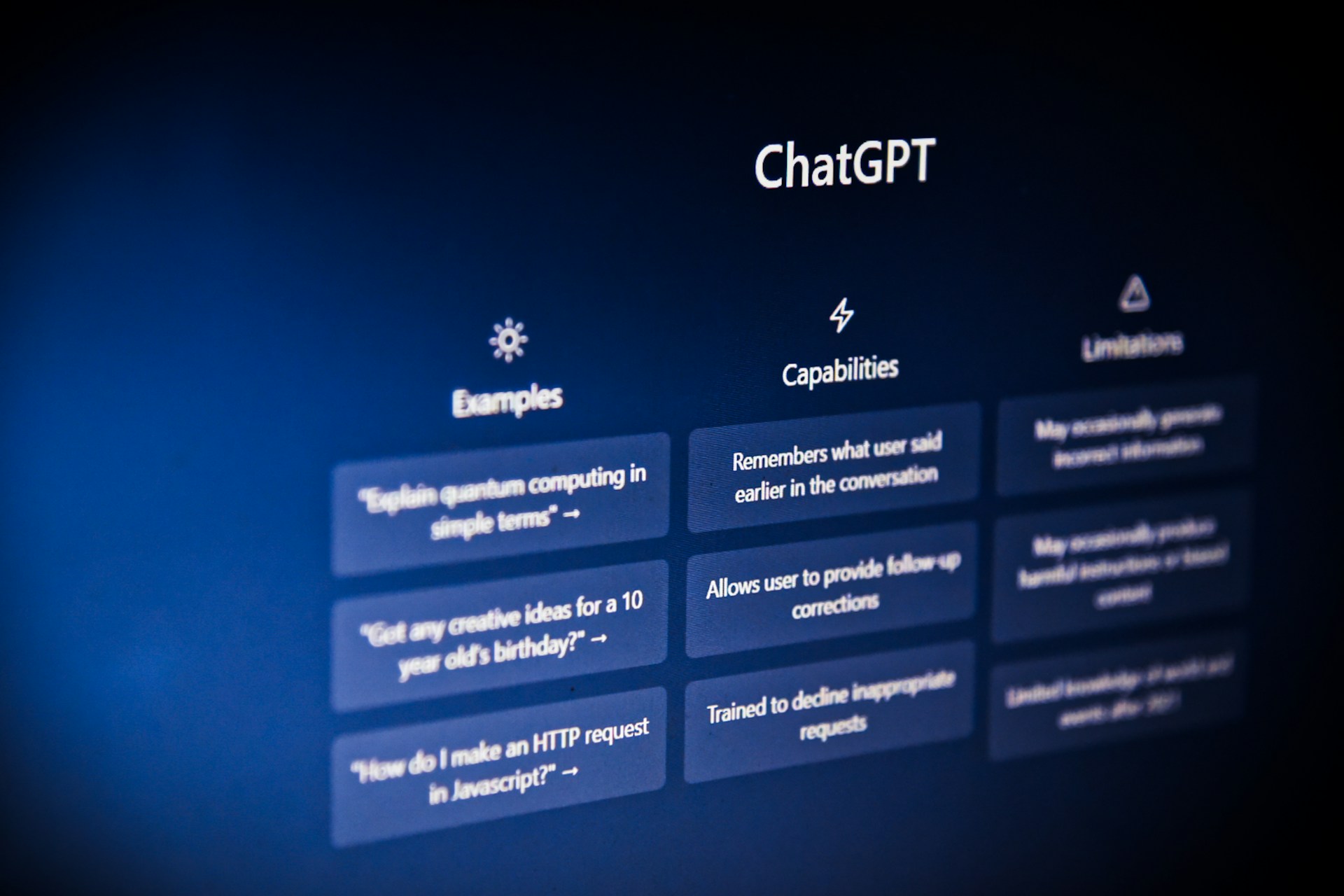
- Use tools like ChatGPT, Jasper, and Grammarly to speed up ideation and first drafts.
5. Chapter 5: Content Repurposing and Distribution
a. Repurpose for Multiple Formats
- Turn blog posts into LinkedIn carousels, videos, infographics, and podcasts.
- Create internal training from thought leadership content.
b. Channel-Specific Distribution
- Organic: SEO, social, newsletters
- Paid: Boost high-performing pieces on LinkedIn, Meta
- Owned: Email drip campaigns, community content
c. Build Evergreen Engines
- SEO-friendly pillar content
- Automated email series
- Resource libraries
6.Chapter 6: Automation and Workflow Optimization
a. Content Management Tools
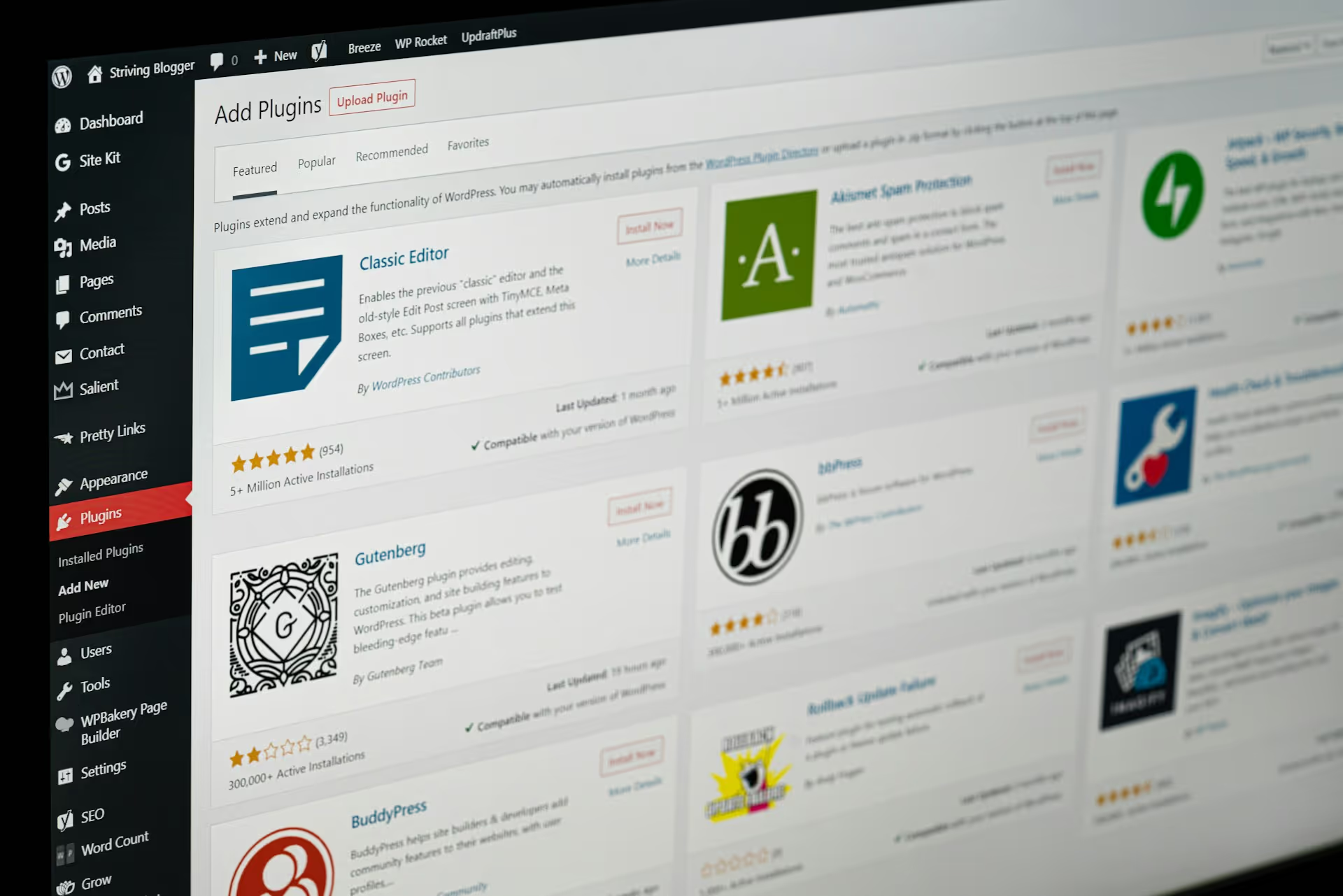
- CMS (Webflow, WordPress)
- Content Calendars (Notion, Trello, Asana)
- Publishing Automation (Zapier, Make)
b. Review & Approval Systems
- Standardize editing and legal reviews
- Use version control and comment threads
c. Team Collaboration
- Async tools: Loom, Slack
- Cloud storage: Google Drive, Dropbox
7. Chapter 7: Measurement, Reporting, and Optimization
a. Define KPIs
- Organic traffic
- Conversion rate
- Keyword rankings
- Engagement metrics
b. Set Up Dashboards
Use tools like Google Looker Studio, GA4, Ahrefs, and HubSpot.
c. Iterate Based on Insights
- Update content quarterly
- Redirect or merge underperforming URLs
- Test new formats and CTAs
8. Chapter 8: Challenges and Solutions
a. Common Pitfalls
- Publishing for volume, not value
- Weak distribution
- Lack of content updates
b. How to Overcome Them
- Focus on high-intent, SEO-validated topics
- Build cross-functional alignment with sales and product
- Conduct content audits every 6 months
9. Conclusion
A scalable content strategy isn’t built overnight, but with the right systems, tools, and mindset, it can drive measurable, compounding results. Whether you're a startup founder, a marketing lead at an SMB, or scaling content at an enterprise, the key is not to create more—it's to create smarter.
Your audience is already searching. Make sure you’re there when they find you.
10. Brightter Can Help You Scale
At Brightter, we specialize in crafting scalable content strategies that combine storytelling, SEO, and automation to help brands stand out and grow consistently. From keyword strategy to content production to performance analytics, our SEO and content services are designed for startups, SMBs, and global brands ready to take their visibility to the next level.
Let’s build something that grows with you.
Frequently Asked Questions
1. How do I know if my current content strategy is scalable?
If your team struggles to publish consistently, repurpose content, or maintain quality at higher volumes, your strategy likely isn't scalable yet.
2. How often should I update or refresh content?
Every 3–6 months is ideal for SEO-driven content. Evergreen resources may be updated yearly depending on performance.
3. What’s the biggest mistake companies make in content strategy?
Publishing for quantity instead of value. Scalable content depends on research, structure, and a long-term plan.
4. Should small teams still invest in content scaling?
Yes, scalability benefits small teams the most. With the right systems, even a 1–2 person marketing team can produce consistent results.
5. How does Brightter help with content strategy?
Brightter offers SEO, content frameworks, production systems, and analytics support designed to help brands scale sustainably throughout the year.