.avif)

AI vs Automation in 2026: What Leaders Still Get Wrong (And Why It’s Costing Them Millions)
Key Takeaways:
- Most companies in 2026 are not failing at AI adoption—they’re failing at execution and system design
- Automation improves efficiency, but AI enables intelligence and decision-making
- Treating AI like automation leads to poor ROI and underutilized investments
- Automating broken processes only makes inefficiency faster, not better
- The biggest opportunity is not tools—it’s building AI + automation systems
- Companies that win are combining human judgment + AI intelligence + automated execution
- The future is not AI vs automation—it’s intelligent systems that do both seamlessly
Introduction
In 2026, almost every company is “using AI.”
Budgets have increased. Tools are everywhere. Teams are experimenting.
And yet, across industries, leaders are asking the same question:
Why aren’t we seeing real transformation?
Processes are still fragmented. Teams are still overwhelmed. Growth is still constrained.
The problem is no longer access to AI.
The problem is understanding how to use it properly.
Most organizations are still confusing automation with AI, and that confusion is costing them time, money, and competitive advantage.
The Core Misunderstanding
At a fundamental level:
- Automation is about doing the same work faster
- AI is about changing how the work is done
Automation follows rules.
AI interprets, adapts, and decides.
Automation is predictable.
AI is contextual.
Automation scales execution.
AI scales thinking.
In 2026, the gap between companies that understand this and those that don’t is widening rapidly.
Why This Confusion Still Exists in 2026
1. AI Has Been Productized, But Not Operationalized
Most companies now have access to:
- AI copilots
- generative tools
- workflow integrations
But very few have turned these into operational systems.
They’re using AI as a tool, not as infrastructure.
2. Automation Still Delivers Faster Wins
Automation continues to provide:
- immediate efficiency
- cost reduction
- predictable ROI
That’s why many leaders default to it.
But in 2026, efficiency is no longer a competitive advantage.
Intelligence is.
3. The Market Still Blurs the Line
Vendors continue to label automation tools as AI.
This creates confusion:
- Leaders think they are investing in intelligence
- But they’re often just scaling execution
Efficiency vs Intelligence
Automation: The Efficiency Layer
Automation works best when:
- tasks are repetitive
- inputs are structured
- outputs are predictable
It improves:
- speed
- consistency
- cost
AI: The Intelligence Layer
AI works best when:
- decisions are ambiguous
- data is unstructured
- context matters
It improves:
- decision quality
- adaptability
- insight
What Leaders Still Get Wrong in 2026
Mistake #1: Treating AI Like an Upgrade to Automation
Many organizations still try to plug AI into existing workflows.
Instead of redesigning the workflow, they just enhance it.
This results in:
- marginal improvements
- inconsistent outputs
- poor ROI
AI requires rethinking the process, not upgrading it.
Mistake #2: Automating Inefficiency
In 2026, this is still one of the biggest issues.
Companies take:
- broken workflows
- fragmented systems
- poor data
…and automate them.
The result:
Faster inefficiency.
AI doesn’t fix bad systems.
It amplifies them.
Mistake #3: Scaling AI Before Building Foundations
Companies are deploying AI across:
- marketing
- operations
- customer experience
But without:
- clean data
- connected systems
- defined workflows
This leads to:
- inconsistent results
- unreliable outputs
- loss of trust in AI
Mistake #4: Ignoring the Execution Gap
In 2026, adoption is no longer the bottleneck.
Execution is.
Most companies:
- have AI tools
- but lack governance
- lack integration
- lack clear use cases
This creates fragmented usage and missed opportunities.
Mistake #5: Expecting AI to Replace Humans
The most successful companies in 2026 are not replacing teams.
They are augmenting them.
AI works best when:
- humans provide judgment
- AI provides speed and intelligence
The Shift: From Tools to Systems
The biggest transformation in 2026 is this:
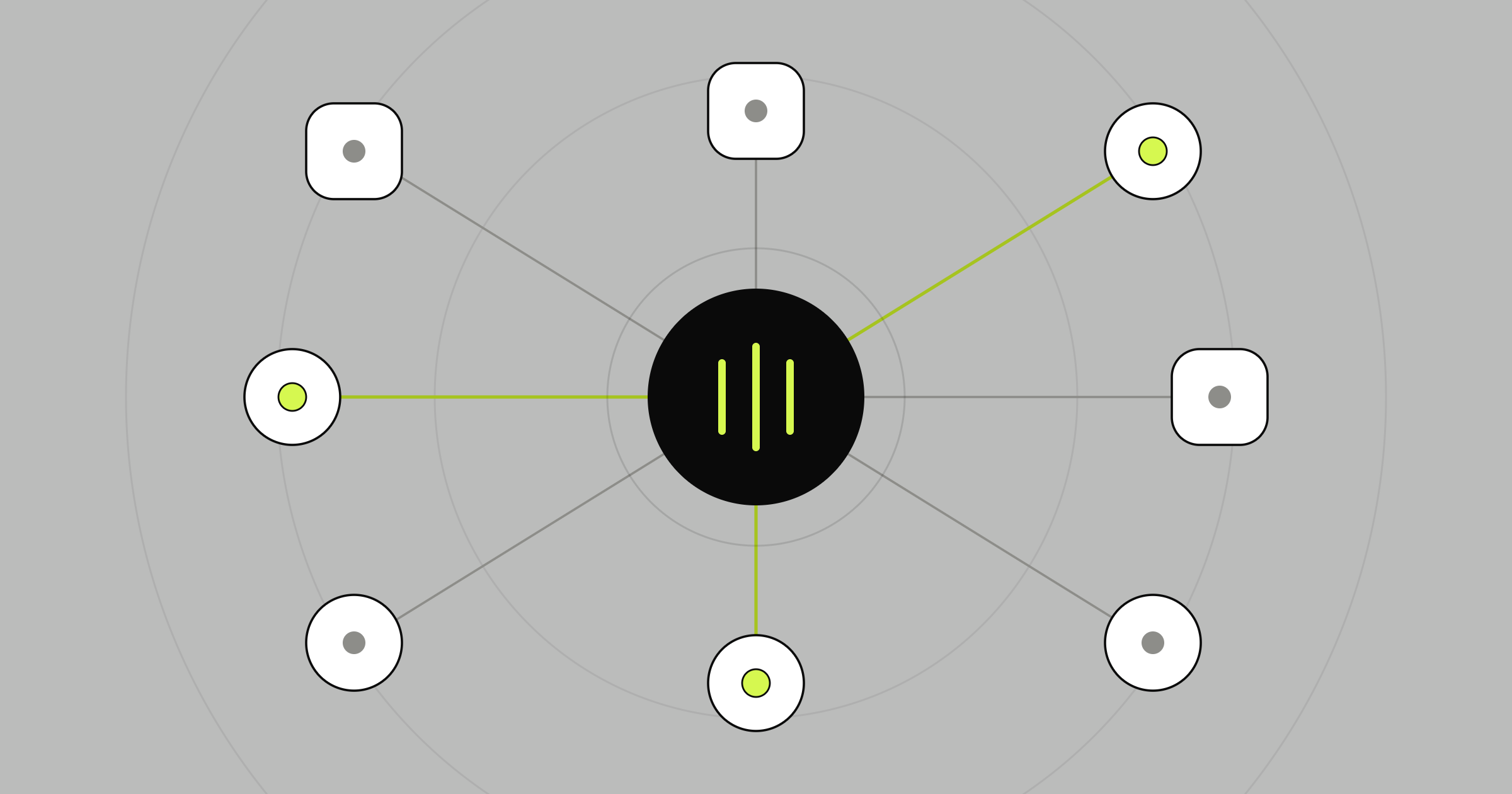
Companies are moving from tools → systems
Automation = Execution System
AI = Decision System
Together, they create:
Intelligent Operating Systems
Where:
- AI interprets and decides
- automation executes
- humans oversee and guide
A Real Example: Customer Experience in 2026
Old model (automation-heavy):
- chatbots
- ticket routing
- predefined responses
New model (AI + automation):
- AI understands customer intent
- AI generates contextual responses
- automation executes backend workflows
This reduces:
- response time
- support costs
- friction
While improving:
- experience
- personalization
- outcomes
The New Operating Model
In 2026, high-performing companies operate with four layers:
1. Data Foundation
Clean, structured, accessible data
2. Workflow Automation
Consistent execution across systems
3. AI Intelligence Layer
Decision-making, insights, adaptability
4. Human Oversight
Judgment, creativity, accountability
Why This Matters Now
AI is no longer experimental.
It is becoming core infrastructure.
The companies that get this right will:
- move faster
- make better decisions
- scale more efficiently
The companies that don’t will:
- waste budgets
- lose talent
- fall behind
The Future: AI + Automation
The future is not a choice between AI and automation.
It’s the integration of both.
Automation starts the process
AI directs the process
Automation executes.
AI decides.
Together, they create leverage.
A Better Question to Ask
Instead of asking:
“Should we use AI or automation?”
Leaders should ask:
- What parts of this workflow are predictable?
- What parts require judgment?
- Where can intelligence create leverage?
The Companies That Will Win
In 2026 and beyond, winners will:
- Design systems, not workflows
- Invest in data before AI
- Focus on high-impact use cases
- Combine human + AI capabilities
- Execute with discipline
Conclusion
AI vs automation is the wrong conversation in 2026.
The real question is:
How do we build systems that think and execute?
Because the companies that win won’t just move faster.
They’ll make better decisions, operate with more clarity, and scale with confidence.
But getting there isn’t about buying more tools.
It’s about designing the right foundation—connecting data, workflows, and intelligence into a system that actually works for your business.
This is where most organizations struggle. Not because they lack access to AI, but because they lack a clear path to operationalize it in a meaningful way.
At Brightter, we work closely with companies to bridge that gap—helping them move beyond experimentation and into real, scalable AI systems that drive measurable outcomes. From identifying the right use cases to designing and implementing intelligent workflows, the focus is always on building something that lasts.
If you’re thinking about how AI and automation should fit into your business—not just as tools, but as a long-term advantage—it might be the right time to start that conversation.
Because in the end, the companies that win won’t just adopt AI.
They’ll know how to use it.