.avif)

The Modern Growth Stack for B2B SaaS Companies in 2026
Key Takeaways
- The modern growth stack is not a collection of tools, but a connected system spanning discovery, engagement, conversion, and retention
- SEO, GEO, and AI-driven discovery are now foundational to B2B SaaS growth strategy
- High-performing companies align marketing, sales, product, and customer success into a single revenue system
- Data is the foundation of the stack, enabling insight, personalization, and decision-making
- AI is embedded across every layer, improving both execution and intelligence
- Product-led growth continues to reshape acquisition and expansion models
- Growth acceleration comes from integration and orchestration, not tool proliferation
- Companies that win in 2026 focus on systems, speed, and scalable execution
Introduction
In 2026, growth for B2B SaaS companies is no longer driven by isolated channels or individual functions. It is driven by systems.
The traditional model, where marketing generates leads, sales closes deals, product builds features, and customer success manages retention, has reached its limits. While this structure created clarity in earlier stages of SaaS growth, it also introduced fragmentation, inefficiency, and misalignment.
Today’s buyer journey is fundamentally different. It is non-linear, AI-influenced, and distributed across multiple touchpoints. Prospects interact with your brand through search engines, AI assistants, content platforms, peer networks, and product experiences long before engaging with a sales team.
This shift requires a new approach.
The modern growth stack is not simply a SaaS marketing stack or a collection of software tools. It is an integrated growth system designed to align data, workflows, content, and intelligence across the entire customer lifecycle.
Companies that design and operate this system effectively are outperforming their peers across acquisition, conversion, and retention.
The Evolution of the B2B SaaS Growth Stack
The growth stack has evolved significantly over the past decade.
In earlier phases, growth was primarily driven by outbound sales and basic digital marketing tactics. As inbound marketing matured, SEO, content marketing, and marketing automation became central to SaaS growth strategies. This introduced greater scalability, but also increased complexity.
In 2026, the growth stack has entered a new phase defined by AI, data integration, and system-level thinking.
The focus is no longer on generating leads alone. It is on orchestrating end-to-end customer experiences that are personalized, data-driven, and continuously optimized.
This evolution reflects a broader shift in how companies compete. Growth is no longer about individual campaigns. It is about operating models.
The Core Architecture of the Modern Growth Stack
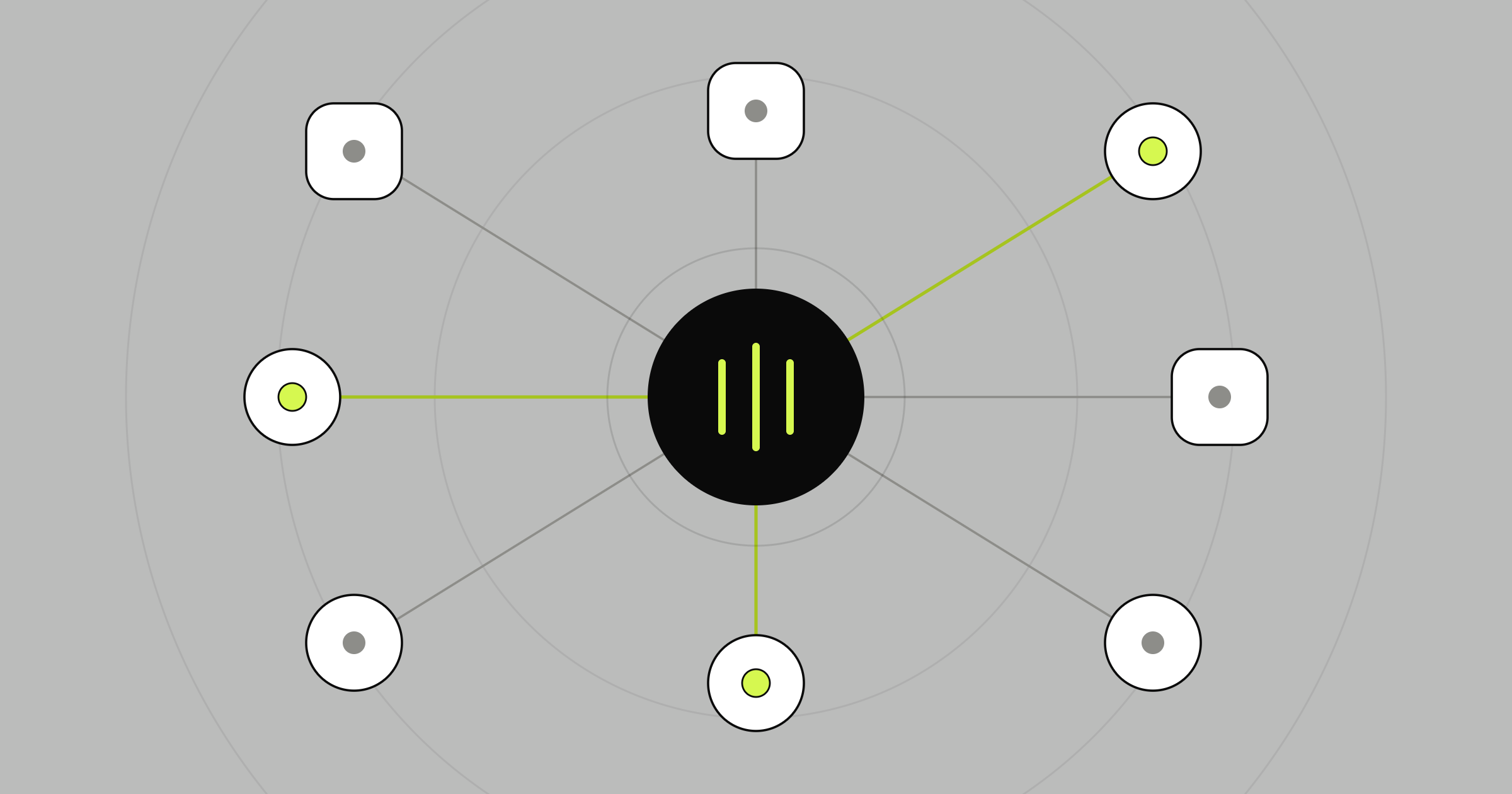
The modern growth stack for B2B SaaS companies is built on interconnected layers that function as a unified system.
1. Discovery Layer: SEO, GEO, and AI Visibility
Discovery has expanded beyond traditional search engines. While SEO remains essential, it is now complemented by GEO (Generative Engine Optimization) and AEO (Answer Engine Optimization).
Buyers increasingly rely on AI-powered platforms such as ChatGPT, Perplexity, and Google AI to discover and evaluate solutions. This shift requires companies to rethink their content strategy.
A modern discovery layer includes:
- SEO strategy targeting high-intent B2B SaaS keywords
- GEO optimization to ensure visibility in AI-generated responses
- Structured content and schema markup for machine readability
- Authoritative content designed to answer complex buyer questions
This layer is critical for organic growth, brand visibility, and inbound demand generation.
2. Experience Layer: High-Performance Digital Platforms
The website has evolved into a primary growth engine.
In a modern SaaS growth stack, the website is not a static asset. It is a dynamic platform that integrates UX design, content, and conversion optimization to guide users through tailored journeys.
Key capabilities include:
- Conversion-focused UX/UI design
- High-performance platforms such as Webflow, headless CMS, or custom builds
- Personalized content and messaging
- Integration with analytics and AI systems
This layer directly impacts conversion rates, engagement, and pipeline generation.
3. Data Layer: The Single Source of Truth
The data layer underpins the entire growth stack. Without clean, unified data, decision-making becomes reactive and fragmented.
A modern data architecture includes:
- CRM platforms such as Salesforce or HubSpot
- Customer data platforms (CDPs)
- Analytics tools for behavioral and performance insights
- Data pipelines that connect systems across the organization
The objective is to create a single source of truth that enables accurate reporting, predictive insights, and cross-functional alignment.
4. Engagement Layer: Automation and Personalization
The engagement layer is where marketing execution happens at scale.
In 2026, marketing automation has evolved into multi-channel orchestration platforms powered by AI. These systems enable real-time personalization and adaptive messaging across channels.
Capabilities include:
- Email marketing automation and lifecycle campaigns
- Paid media and social engagement
- AI-driven personalization engines
- Customer journey orchestration
This layer drives lead nurturing, engagement, and demand generation efficiency.
5. Sales Layer: Revenue Acceleration Systems
Sales operations are increasingly integrated with the broader growth system.
AI is transforming sales processes by improving lead scoring, forecasting, and pipeline management. This results in more efficient sales cycles and higher close rates.
Key components include:
- CRM systems
- Sales engagement platforms
- AI-powered lead scoring
- Forecasting and pipeline analytics
This layer ensures that marketing and sales operate as a unified revenue engine.
6. Product Layer: Product-Led Growth (PLG)
Product-led growth has become a defining characteristic of modern SaaS companies.
The product itself plays a central role in acquisition, activation, and retention. This requires tight integration between product analytics, onboarding systems, and marketing efforts.
Capabilities include:
- User onboarding and activation flows
- In-product analytics
- Feature adoption tracking
- Feedback and usage insights
This layer drives self-serve growth and scalability.
7. Retention Layer: Customer Success and Expansion
Retention is a primary driver of SaaS profitability.
The retention layer focuses on ensuring customer success, reducing churn, and identifying expansion opportunities.
Key elements include:
- Customer success platforms
- Usage monitoring and engagement tracking
- AI-driven churn prediction
- Upsell and cross-sell strategies
This layer supports lifetime value (LTV) growth and revenue expansion.
The Role of AI in the Growth Stack
AI is not a standalone layer. It is embedded across the entire growth stack.
In the discovery layer, AI influences how content is surfaced and ranked.
In the experience layer, it enables personalization and dynamic content delivery.
In the data layer, it provides predictive analytics and actionable insights.
In the engagement and sales layers, it improves targeting, scoring, and forecasting.
In the product and retention layers, it enhances user experience and customer success outcomes.
The result is a continuous feedback loop where data informs decisions, and AI enhances execution.
Common Pitfalls in SaaS Growth Stacks
Despite access to advanced tools, many SaaS companies struggle to build effective growth systems.
The most common issue is over-investment in tools without a clear strategy. Organizations often accumulate platforms that do not integrate well, leading to inefficiencies and increased operational complexity.
Another challenge is organizational misalignment. When marketing, sales, product, and customer success operate independently, the growth system becomes fragmented.
Data silos further compound the problem. Without unified data, companies cannot accurately measure performance or optimize effectively.
Finally, execution gaps often prevent companies from realizing the full potential of their growth stack. Even the most advanced systems require disciplined implementation and ongoing optimization.
Building a Scalable Growth Stack
Designing a modern growth stack requires a strategic and phased approach.
It begins with defining clear business objectives and mapping the customer journey. From there, organizations can identify gaps, select appropriate platforms, and integrate systems into a cohesive architecture.
The focus should be on:
- aligning technology with business goals
- ensuring data integrity and accessibility
- enabling cross-functional collaboration
- continuously optimizing performance
The growth stack should be treated as a dynamic system, not a static implementation.
The Future of B2B SaaS Growth
Looking ahead, the modern growth stack will continue to evolve in several key ways.
AI will become more deeply integrated, enabling real-time decision-making and advanced automation.
Personalization will move from segmentation to individualized experiences.
Data platforms will become more unified, reducing fragmentation and improving visibility.
And the boundaries between marketing, sales, and product will continue to dissolve, creating more efficient and aligned growth systems.
The companies that succeed will be those that embrace this evolution and invest in building scalable, intelligent systems.
Conclusion
The modern growth stack for B2B SaaS companies is not defined by tools, but by systems, integration, and execution.
Organizations that design and operate these systems effectively are achieving faster growth, higher efficiency, and stronger customer relationships.
At Brightter, we partner with companies to build and optimize their growth stacks, ensuring alignment across strategy, design, and technology. The focus is always on creating systems that drive measurable outcomes and scale with the business.
If your organization is evaluating its current growth strategy, the question is not whether you need a modern growth stack.
It is whether your current system is designed to support the next phase of growth.