How AI Engines Decide What to Cite: A Technical GEO Framework
Key Takeaways
- Getting cited by AI engines is an architecture problem, not a keyword problem. The founding GEO research found keyword stuffing had negligible or negative effect, while fact density lifted citation visibility
- AI answer engines follow a pipeline: crawl, disambiguate the entity, retrieve semantically, then select what to cite
- A working GEO strategy rests on five technical pillars: crawlability, structured data, entity clarity, citation-first content, and off-site authority
- The overlap between top Google results and AI-cited sources has collapsed from roughly 70 percent to below 20 percent, and only about 11 percent of domains are cited by both ChatGPT and Perplexity
- AI search already handles an estimated 12 to 18 percent of English informational queries, up from under 2 percent a year earlier, and citations favor fresh content
- The founding study measured specific lifts: roughly +41 percent from quotations, +32 percent from statistics, +30 percent from citations, and +28 percent from fluency
- The goal is no longer to rank. It is to be quotable, attributable, and trusted across multiple AI engines
Introduction: Search Is Becoming an Answer, Not a List
For twenty years, search optimization had one objective: rank. Earn a position on the first page, and traffic followed. That model is breaking. A growing share of buyers never see a list of blue links. They ask ChatGPT, Perplexity, Google AI Overviews, Gemini, or Claude a question and read a synthesized answer that cites a handful of sources. ChatGPT alone surpassed 900 million weekly active users in early 2026, Google AI Overviews now appear on a large share of result pages, and AI search engines already handle an estimated 12 to 18 percent of English-language informational queries, up from under 2 percent a year earlier.
The market has priced this in. When a major software company agreed to acquire a leading SEO platform for roughly 1.9 billion dollars in late 2025, it framed the deal explicitly around brand visibility in the agentic AI era. Generative Engine Optimization, or GEO, went from a term that barely existed to a budget line in two years.
This changes the objective completely. The question is no longer where do I rank. It is whether an AI engine includes your content in its answer, and whether it names you when it does. The most important thing to understand about GEO is that it is fundamentally a technical and structural discipline, not a keyword-density exercise. This article breaks down the founding research, the pipeline an AI engine uses to decide what to cite, the five technical pillars that influence each stage, how GEO diverges from SEO, and how to measure whether any of it is working.
The Founding Research: GEO Is Engineered, Not Guessed
GEO is not folklore. The discipline was formalized in a 2023 academic paper from researchers at Princeton, Georgia Tech, and the Allen Institute for AI, who tested optimization strategies across roughly 10,000 queries in 25 domains and measured visibility using a position-adjusted word count. Their findings reframed the entire problem. Traditional SEO tactics such as keyword stuffing had negligible or even negative effects on AI visibility. What worked instead was fact density.
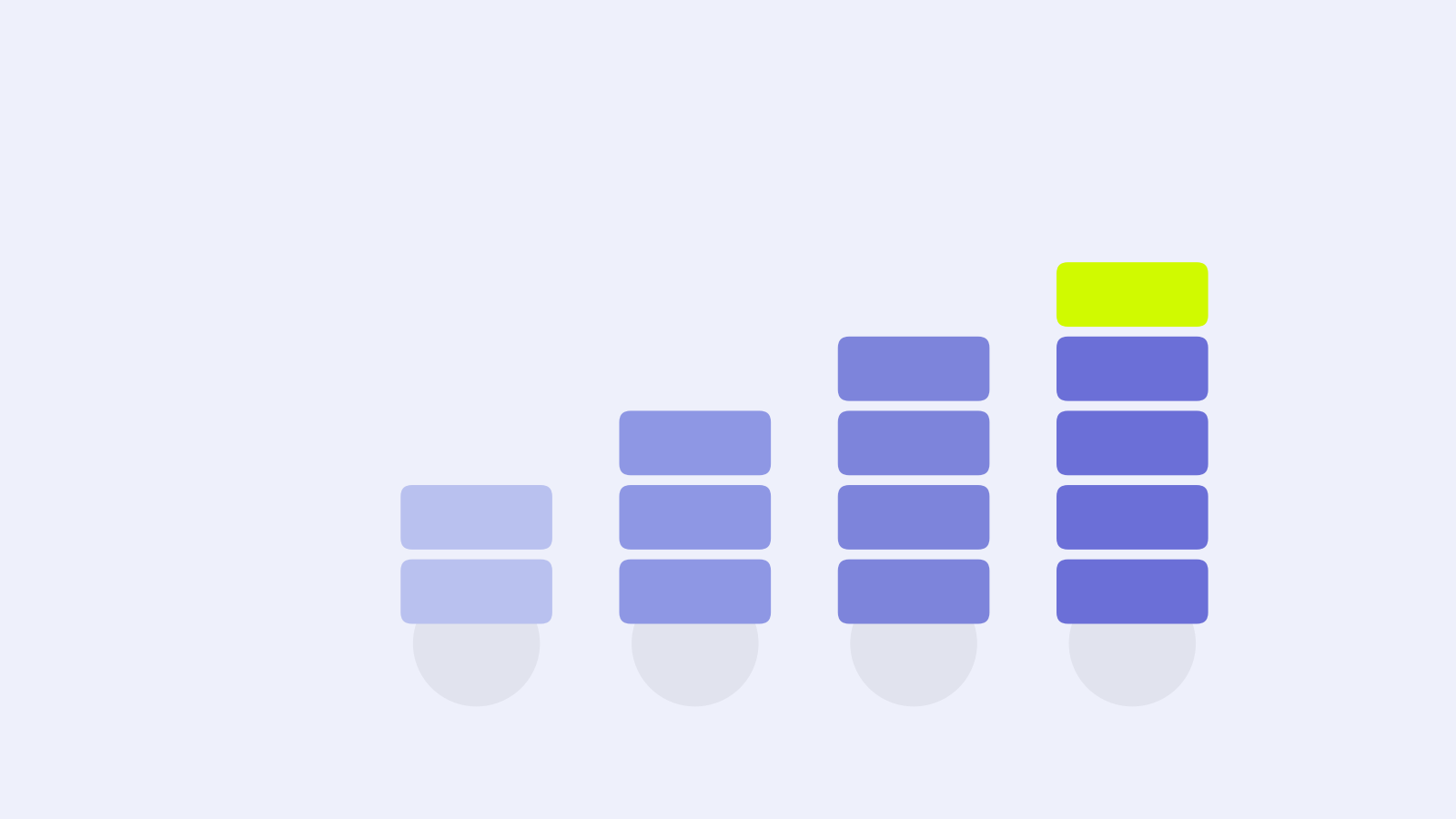
The measured lifts are specific and have held up in practice: adding relevant quotations raised visibility by roughly 41 percent, statistics by about 32 percent, citations by about 30 percent, and fluency optimization by about 28 percent. The strategic implication is striking: these techniques deliver the strongest gains for lower-ranked and smaller sites, with visibility lifts of up to 40 percent for content that would never reach the top of a traditional search page. GEO is, within limits, a democratizing shift. You do not need to be the biggest brand in your category to be quoted, but you do need to be the most quotable.
How an AI Engine Decides What to Cite
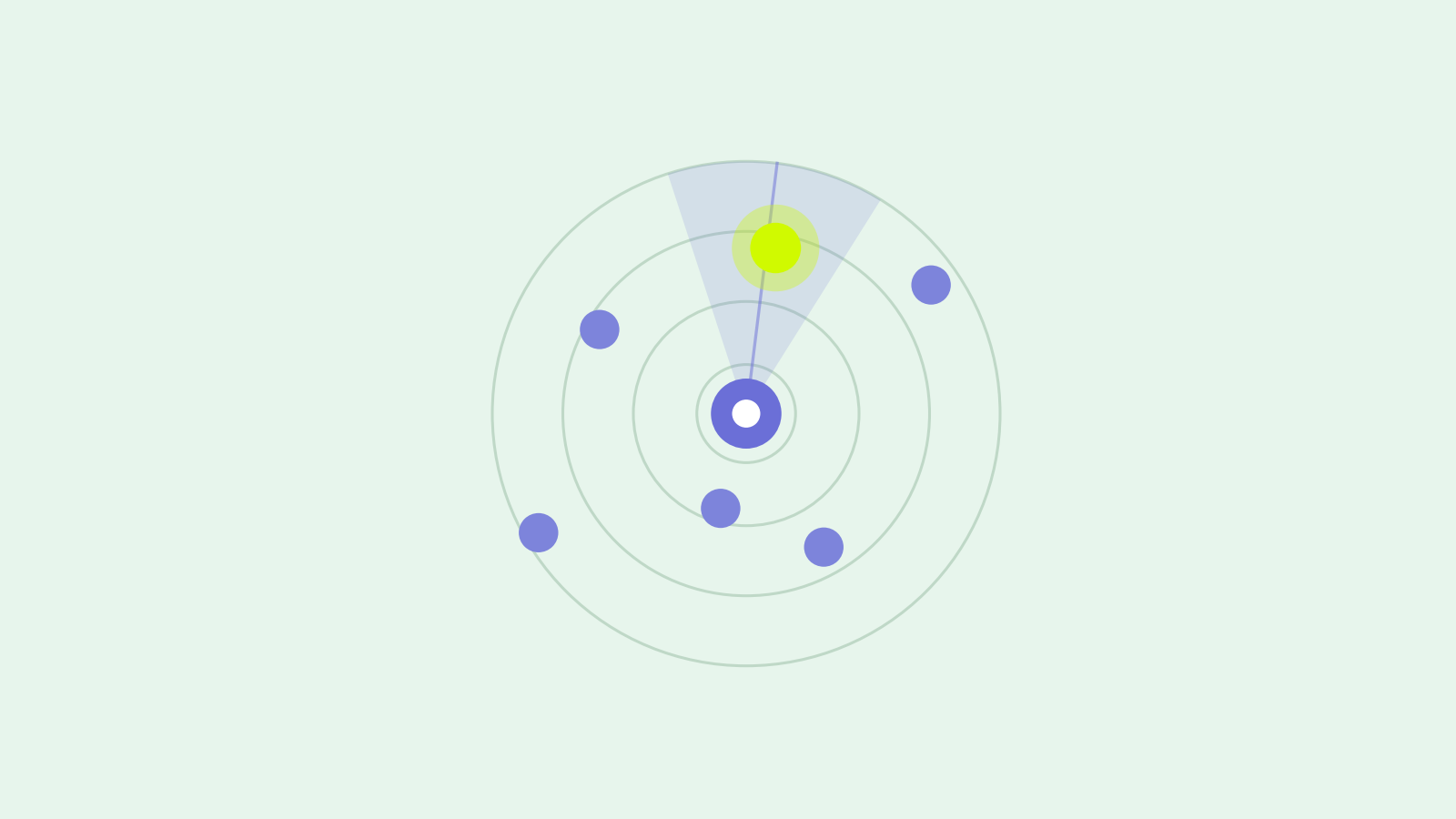
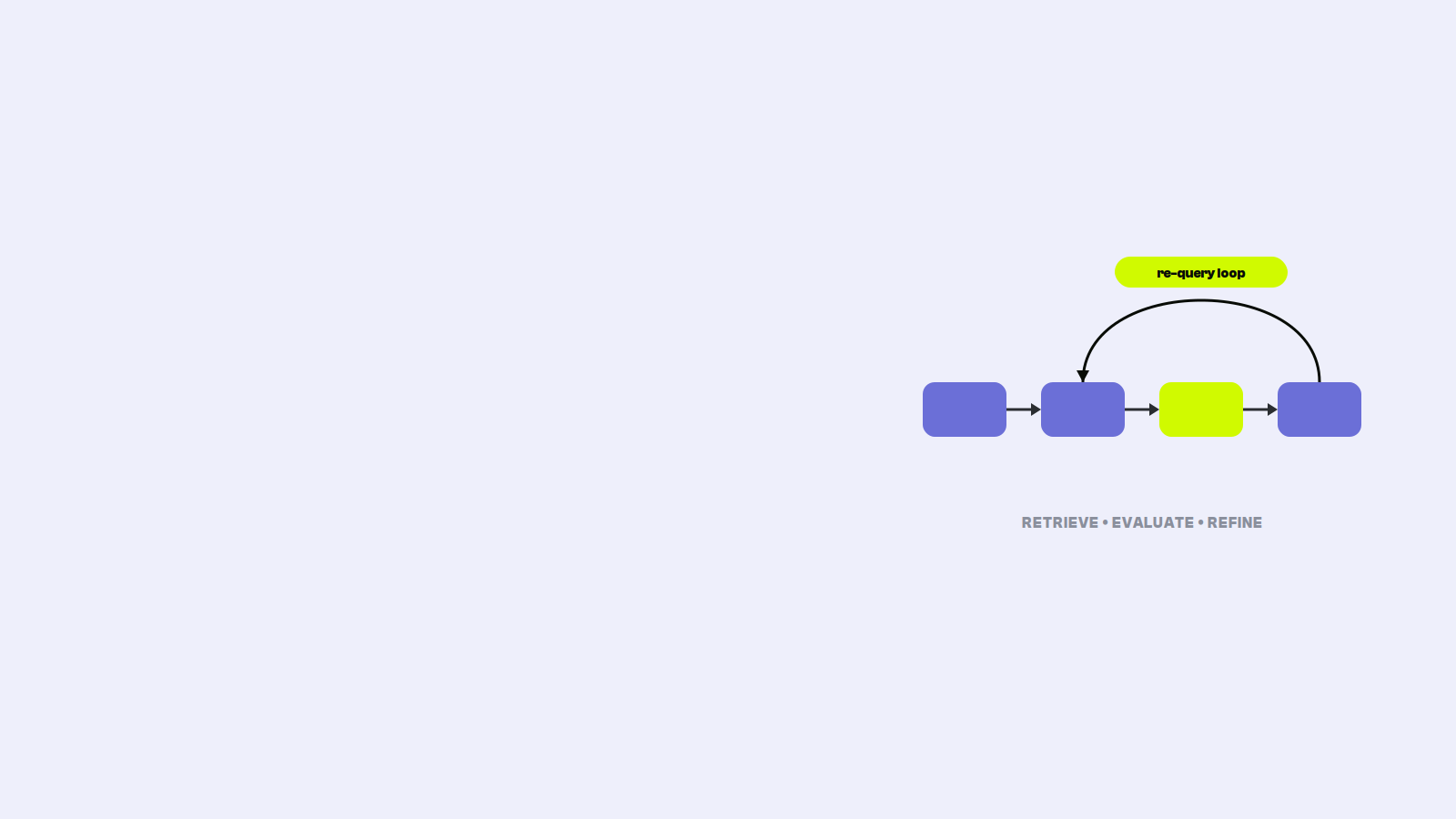
To optimize for citation, you have to understand the path content travels before it appears in an answer. Most AI answer engines are retrieval-augmented systems: they first retrieve relevant documents, then generate a response that cites selected sources. That makes the journey a pipeline with four distinct stages.

Each stage is a gate, and each gate is where a specific technical lever applies. Crawl: before anything else, the engine has to read the page. If a crawler is blocked, the content is rendered behind JavaScript, or a CDN is silently rejecting AI bots, the page never enters the system. This is the most common and most overlooked failure. Entity disambiguation: the engine works out what and who the content is about and connects it to known entities; ambiguous or inconsistent identity means the engine cannot place you in its understanding of the topic. Semantic retrieval: when a relevant question is asked, the engine retrieves passages by meaning, and content written as discrete, extractable claims is far easier to retrieve than meandering prose. Citation selection: from the retrieved candidates, the engine chooses what to attribute, favoring specific, verifiable, sourced statements and sources that other trusted places already mention.
The Five Technical Pillars of GEO
Each pillar maps to a stage in that pipeline. Treat them as parallel workstreams, not a sequence.
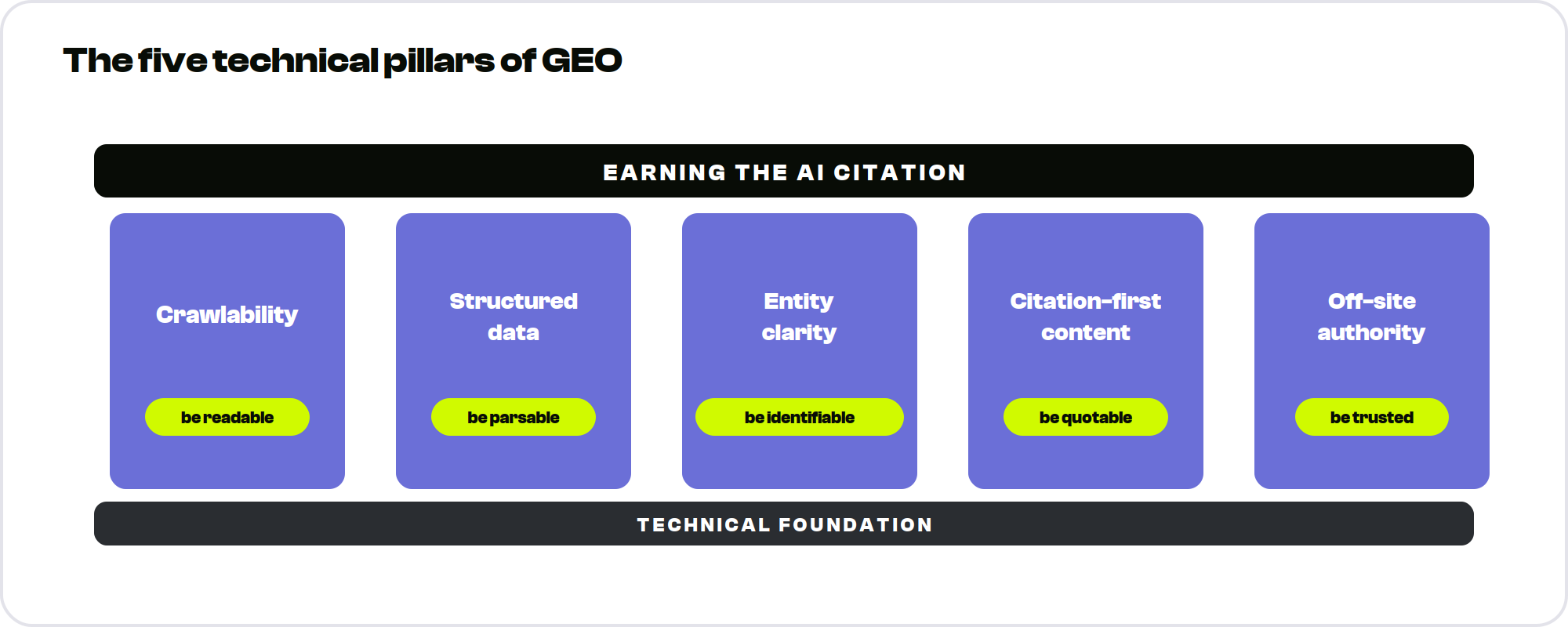
The five pillars below are the working structure of any serious generative engine optimization program.
1. Crawlability: If a Bot Cannot Read It, It Cannot Cite It
The single most common reason a brand is invisible to AI engines is that the engine literally cannot read the page. Most AI crawlers prioritize speed and do not execute JavaScript, so if your pricing table, FAQ, or core copy is injected client-side by a single-page framework, the crawler sees an empty shell. Move critical text to server-side rendering or static generation so the text payload lives in the raw HTML.
Confirm that the major AI crawler user agents are allowed in robots.txt, including GPTBot and OAI-SearchBot for OpenAI, ClaudeBot, and PerplexityBot. A practical wrinkle that catches many teams: ChatGPT's live web search leans on Bing's index, so submitting your sitemap to Bing Webmaster Tools is one of the highest-leverage and most overlooked GEO moves available. AI crawlers are also aggressive; reporting from 2025 found GPTBot crawling far more frequently than Googlebot, which means technical fixes such as opening robots.txt or deploying an llms.txt file take effect faster than content changes. The emerging llms.txt standard gives crawlers a curated map of your most citable content, though adoption is still early.
2. Structured Data: The API Between Your Site and the Model
Schema markup is effectively the API between your website and the AI. It disambiguates your entity and lets the engine parse meaning without guessing. Organization, Article, FAQPage, and HowTo are the workhorses. Organization establishes the entity behind the site; Article frames content with author and date, supporting the freshness signals engines reward; FAQPage exposes question-and-answer pairs in exactly the shape AI answers extract most readily; HowTo structures procedures into discrete, quotable steps. Validate every deployment, because malformed schema is worse than none.
3. Entity Clarity: Be a Recognizable Thing
AI engines reason in entities, not strings. They need to recognize who you are consistently across the web, so clear About and author pages, a consistent name and description everywhere, and a presence on the sources models already trust all strengthen the signal. ChatGPT in particular leans heavily on encyclopedic sources; one 2026 citation-source analysis attributed nearly half of its top citations to Wikipedia. Building genuine entity presence on Wikipedia, Wikidata, and LinkedIn is therefore a direct GEO investment, not a vanity exercise.
4. Citation-First Content: Write to Be Quoted
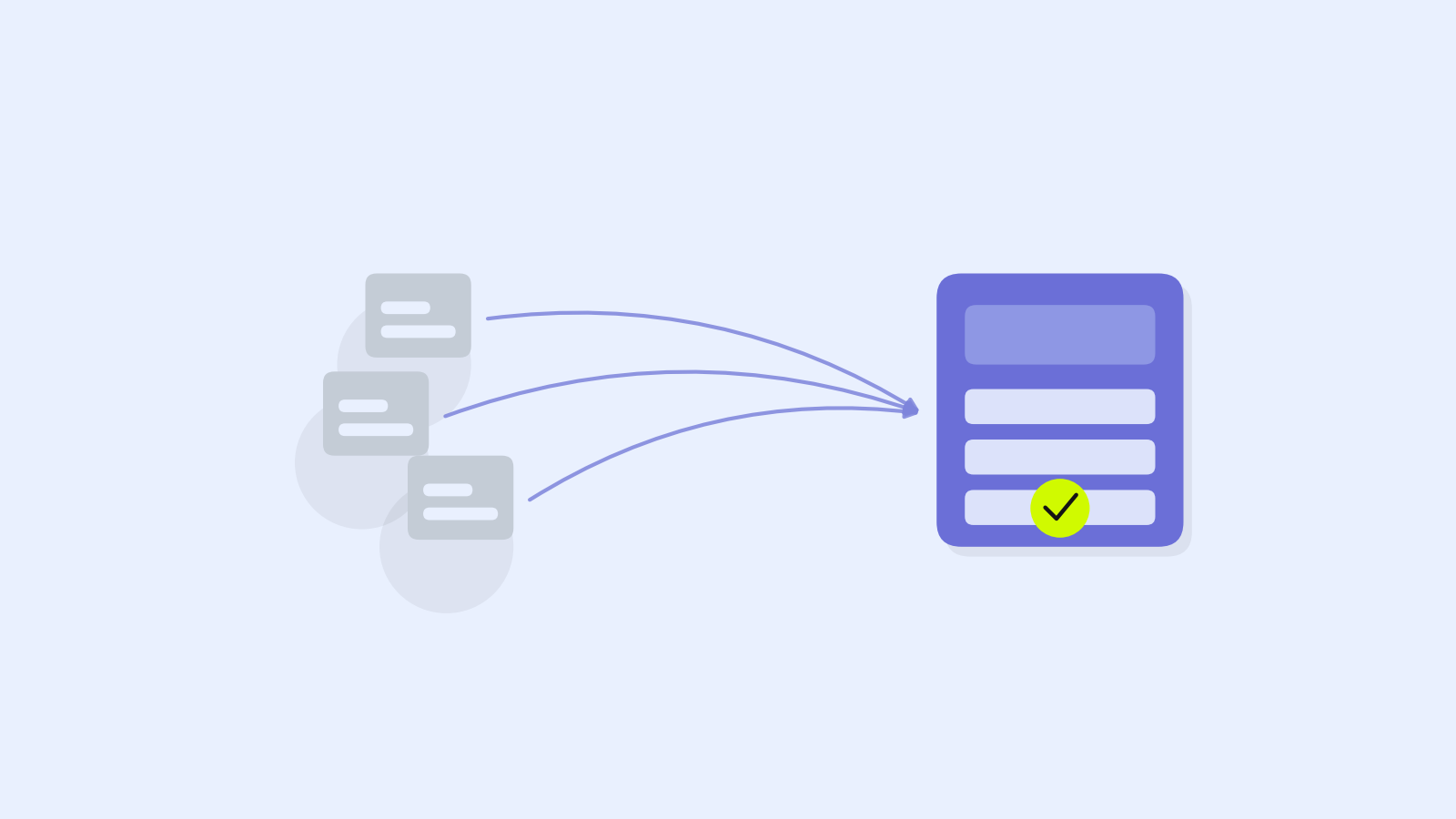
The unit of GEO is the extractable claim, not the page. Lead each section with a direct, self-contained answer, then provide context. A useful construct is the answer capsule: a two-to-three-sentence, self-contained response placed immediately under a question-style heading that makes complete sense in isolation, passing what some practitioners call the information island test. The data behind this is strong. Analyses in 2026 found that a large majority of AI-cited blog posts contain identifiable answer capsules, that AI engines draw a disproportionate share of citations from the first third of an article, and that pages with at least one data table and one numbered list are markedly more likely to be cited than prose-only pages. Write declaratively, too: removing hedging phrases like I think or we believe lowers the model's uncertainty and increases the odds your sentence is selected as the canonical answer.
5. Off-Site Authority: Earned Media Now Beats Links
AI engines lean heavily on earned media and consensus, sometimes more than on your own pages. Research in 2026 found AI search exhibits a systematic bias toward earned media over brand-owned content, that community platforms such as Reddit and Quora capture a large share of all AI citations, and that Reddit has become one of the single most-cited sources across major engines. There is also a trust threshold: sites with very large numbers of referring domains are several times more likely to be cited by ChatGPT than lower-authority counterparts. A mention in a respected publication, a substantive forum answer, or a consistent expert presence can directly influence whether you are cited, even without a link. This is a real break from two decades of link-centric SEO logic.
GEO Is Not SEO With a New Name
The two disciplines share fundamentals and diverge sharply on tactics and metrics. Traditional SEO rewards thorough long-form content, persuasive brand writing, rankings that can persist for months, and links as the dominant authority signal. AI engines reward structured, self-contained answer blocks, neutral and densely factual prose, entity clarity, and earned mentions, with links mattering less.
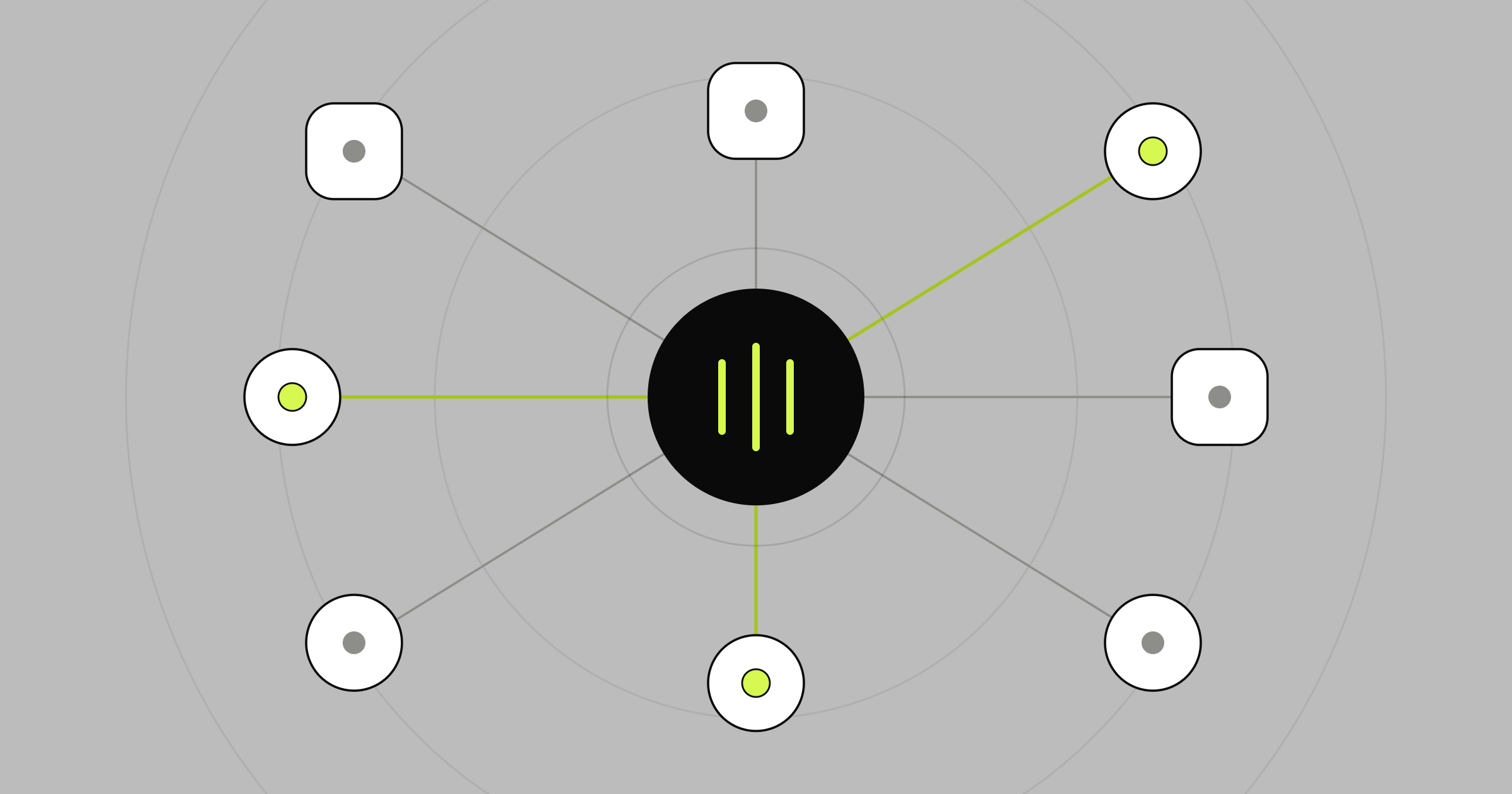
Two numbers make the divergence concrete. The overlap between top-ranking Google links and AI-cited sources has fallen from roughly 70 percent to below 20 percent, and only about 11 percent of domains are cited by both ChatGPT and Perplexity. Ranking well on one surface no longer guarantees the others. Each engine also has distinct selection logic: Perplexity is citations-first and real-time, indexes the freshest content, and gives the fastest feedback loop, often within a few weeks; ChatGPT leans on Bing's index and tends to lag several weeks behind; Google AI Overviews reward classic SEO best practices most heavily, so gains there compound with existing work. Crucially, strong SEO is not obsolete. It is the entry ticket. A slow site, thin content, or weak authority will not be cited regardless of how perfectly structured the FAQ is. GEO layers on top of solid SEO; it does not replace it.
Freshness, Decay, and Measurement
AI citations are perishable in a way search rankings are not. Engines preferentially cite recent content, and analyses in 2026 found that material updated within the last 30 days earns several times more AI citations than stale content, with the large majority of AI Overview citations drawn from the last couple of years. The practical implication is uncomfortable: GEO is not a one-time fix. Freshness and re-earning are part of the operating model.
Because the surface is new, measurement is its own discipline. The emerging metric is share of model, sometimes called share of voice in AI answers: how often a brand is cited or recommended for a set of target prompts relative to competitors. The most reliable baseline costs nothing: run your 20 to 30 most important queries through ChatGPT, Perplexity, Gemini, and Google AI Overviews, and document where you are cited versus where competitors are. Re-run monthly and track the delta. Dedicated platforms now automate this across many engines, and Google Search Console exposes an AI Overviews filter, but the manual prompt log remains the single most revealing method. The payoff is worth measuring for: AI-referred visitors arrive pre-qualified by the answer and tend to convert at two to four times the rate of generic organic traffic.
A Democratizing Shift, Within Limits
The encouraging finding from citation research is that GEO rewards substance over size: fact-dense, comprehensive, clearly attributed content can lift smaller and lower-ranked sites into AI answers where traditional ranking never would. What you need is genuine topical authority, deep coverage of your subject, and clear trust signals such as named authorship, credentials, and contact information. What you must avoid is the emerging set of black-hat tactics that engines and researchers are already flagging: serving different content to AI crawlers than to users, and fabricating author personas or credentials. Thin content does not earn citations, and manufactured authority is increasingly detectable.
The Brightter Perspective
Most organizations approaching AI visibility start by rewriting headlines and adjusting keywords, and see nothing change. The reason is that citation is decided upstream of the words, at the crawl, rendering, disambiguation, and structured-data stages most teams never touch, and downstream of them in the earned-media signals most teams never build. Generative engine optimization done properly is an engineering and authority discipline first and a copywriting discipline second.
At Brightter, we treat GEO as exactly that: an audit of crawlability and server-side rendering, a structured-data and entity foundation, content restructured into extractable answer capsules with real fact density, an off-site authority plan to earn the mentions engines trust, and a share-of-model measurement loop so the work is accountable. The goal is not to rank for its own sake. It is to be the source an AI engine quotes when your buyer asks the question.
Conclusion
Search is no longer only about where you rank. It is about whether you are chosen as a source, and that decision runs through a technical pipeline with four gates and five levers. The brands that win the next phase of discovery will engineer for citation deliberately: crawlable and server-rendered, structured and entity-clear, quotable and fact-dense, trusted off-site, fresh, and measured. The discipline is mostly engineering, not magic, which is exactly why the teams that build it now will compound their advantage before competitors notice the surface has moved.
If you want to understand why AI engines are or are not citing your brand today, and what it would take to change that, start a project at brightter.com/start-a-project.